A lightning storm rolls through, the power flickers, and suddenly the question gets real – how much is a whole home surge protector installation cost, and is it worth doing before something expensive gets damaged? For many homeowners, this upgrade is less about gadgets and more about protecting HVAC equipment, appliances, electronics, and the electrical system that keeps the house running.
A whole-home surge protector is installed at the electrical panel and is designed to reduce the impact of voltage spikes coming from outside or inside the home. It is not the same as a plug-in power strip. Those strips can help protect a few devices, but they do not protect major systems like air conditioners, refrigerators, washers, dryers, ovens, garage door openers, or newer smart-home equipment tied into your wiring.
What Is the Typical Whole Home Surge Protector Installation Cost?
In most homes, the whole home surge protector installation cost falls somewhere between about $350 and $900. In some cases, it can be lower if the panel is newer and the installation is straightforward. In other cases, it can go higher if the electrical panel needs modifications, the service equipment is outdated, or code-related upgrades are required before the surge protector can be installed safely.
That wide range is why homeowners should be careful with pricing they see online. A basic price advertised without seeing the panel may not include the labor, permit requirements, breaker space, or compatibility issues that determine the real cost. Honest pricing starts with the actual condition of the home’s electrical system.
Why the Price Can Vary So Much
The biggest factor is the panel itself. Some homes have modern breaker panels with available space and clear access, which makes installation more direct. Others have crowded panels, older equipment, corrosion, double-tapped breakers, or service configurations that require extra labor just to prepare for the device.
The brand and rating of the surge protector also matter. Not all surge protection devices are built the same. Higher-quality units with stronger surge current ratings, better warranties, and cleaner integration with the panel usually cost more than entry-level models. That does not mean the most expensive option is always necessary, but it does mean there is a difference between a budget part and a long-term protective upgrade.
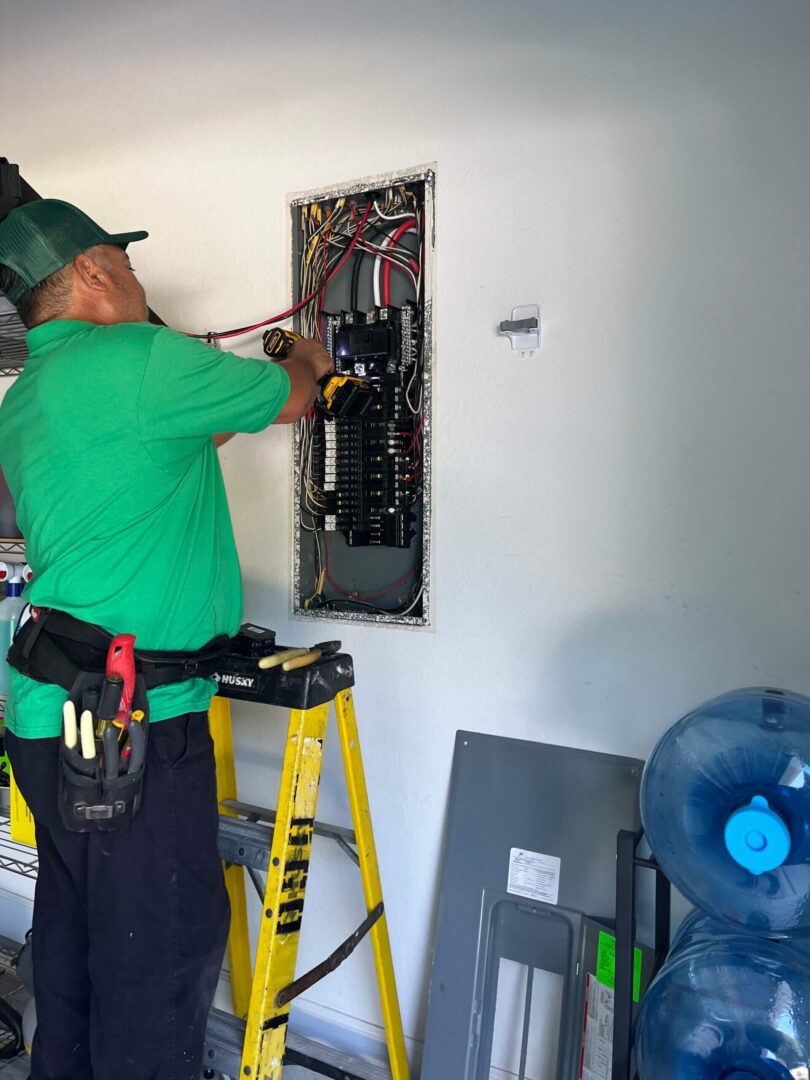
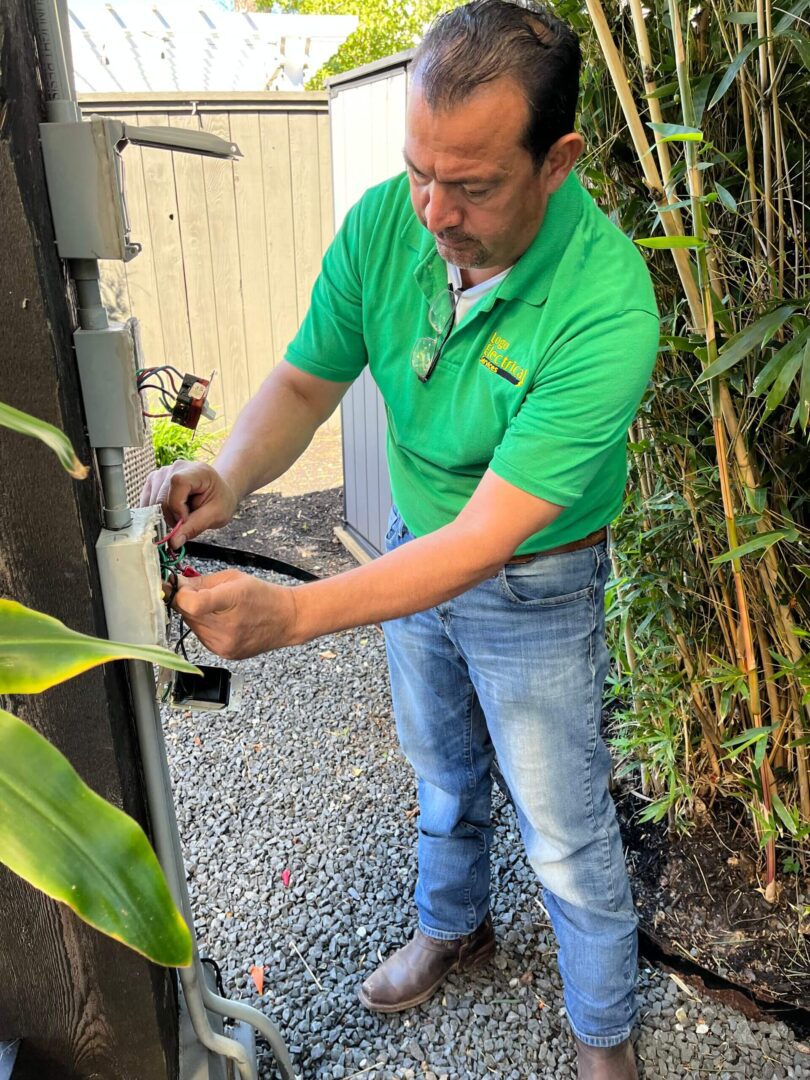
Labor is another part of the total. A licensed electrician is not just attaching a device to the wall. Proper installation involves evaluating the panel, matching the surge protector to the service, confirming grounding and bonding conditions, making secure terminations, and verifying that the system is installed to code. That kind of work protects the homeowner from hidden risks and future problems.
Cost Factors Homeowners Should Ask About
If you are comparing estimates, ask what is actually included. One quote may include the surge protective device, labor, panel inspection, and any minor adjustments needed for installation. Another quote may look cheaper at first but leave out permit fees, breaker requirements, or repairs discovered once the panel is opened.
A few common factors can push the price up or down:
- Type and quality of the surge protector
- Panel age and condition
- Available breaker space
- Whether grounding or bonding corrections are needed
- Permit or inspection requirements
- Ease of access to the panel
- Whether additional panel upgrades are recommended
These details matter because whole-house surge protection is part of your electrical infrastructure. It is not a cosmetic add-on. If something in the panel needs attention first, a good electrician should explain that clearly instead of forcing a quick install that may not perform the way it should.
Is a Surge Protector Worth the Cost?
For many homeowners, yes. The real value is not only in protecting televisions and computers. A modern home often has thousands of dollars tied up in electronics, appliances, and motor-driven equipment. Even if a major surge never destroys a device outright, repeated smaller surges can shorten equipment life over time.
Think about the systems people rely on every day: HVAC boards, kitchen appliances, internet equipment, security systems, garage door openers, tankless water heaters, and charging equipment for phones, laptops, and electric vehicles. Replacing just one damaged board in an air conditioning system can cost a large portion of what a whole-home surge protector would have cost to install in the first place.
That said, it still depends on the home. If the electrical system is already due for a panel replacement, the better investment may be to handle that work first and install surge protection as part of the upgrade. If the home has a newer panel and expensive equipment inside, surge protection usually makes a lot of sense as a preventive step.
What the Installation Usually Includes
A proper installation starts with evaluating the main service panel. The electrician checks compatibility, available space, grounding, and overall panel condition. If the system is a good candidate, the surge protector is mounted and connected according to manufacturer specifications and electrical code requirements.
In some homes, the job is relatively simple and can be completed during a standard service visit. In others, the electrician may need to correct a panel issue first. That could include reorganizing breakers, replacing damaged components, or recommending a larger panel upgrade if the existing equipment is outdated or overloaded.
This is one reason homeowners should be cautious about do-it-yourself installation. The work involves exposure to energized service equipment and requires a clear understanding of panel safety, code compliance, and manufacturer requirements. Saving a little on labor is not worth risking injury or an improper installation that leaves the home underprotected.
Whole Home Surge Protector Installation Cost vs. Plug-In Protection
A plug-in surge strip is cheaper, but it serves a different purpose. It protects the devices plugged into it, and even then, only within certain limits. It does not stop a surge from entering the panel and reaching hardwired systems throughout the house.
Whole-home surge protection works as the first line of defense at the service panel. Many electricians recommend using both approaches together – whole-home protection for the house itself and quality point-of-use protection for especially sensitive electronics. That layered approach usually offers better overall protection than relying on strips alone.
When homeowners compare costs, that difference is worth keeping in mind. The lower price of a power strip is not an apples-to-apples comparison with a panel-mounted protective device installed by a licensed professional.
When a Higher Quote May Actually Be the Better Value
Not every low estimate is a good deal. If one contractor is much cheaper than the others, ask what device is being installed, whether the electrician is licensed, and whether the quote includes everything needed to finish the job correctly. Electrical work is one place where shortcuts tend to show up later.
A slightly higher quote may include a better surge protector, a more thorough panel inspection, cleaner workmanship, permit compliance, and a contractor who stands behind the work. That is especially important with protective devices, because the value is in how well they perform when a surge actually happens.
For homeowners in Magnolia and the greater Houston area, weather and grid-related fluctuations are part of the conversation too. Storm activity, utility switching events, and the increasing amount of sensitive electronics inside homes all make surge protection more relevant than it used to be.
Questions to Ask Before You Schedule the Work
Before moving forward, ask whether the quoted whole home surge protector installation cost includes the device, labor, and any panel-related adjustments. Ask what brand or type of protector is being used and whether the panel has enough capacity for the install. It is also smart to ask whether the electrician sees any concerns with the current panel condition.
A trustworthy contractor should be able to explain the options in plain language. You should know what you are paying for, what level of protection to expect, and whether any other electrical issues should be addressed at the same time. At Logo Electrical Services, that kind of straightforward guidance is a big part of doing the job right the first time.
The Best Time to Install One
If you are already upgrading a panel, adding a generator interlock, installing an EV charger, or doing other electrical improvements, that is often the ideal time to add surge protection. Combining work can sometimes reduce labor costs and gives the electrician a chance to make sure the whole system is working together properly.
It also makes sense after moving into an older home, after replacing expensive appliances or HVAC equipment, or after experiencing repeated power disturbances. You do not have to wait until after a damaging surge to treat this as a sensible upgrade.
The right price for surge protection is not just about the cheapest number on the page. It is about getting a properly matched device, installed safely, by a licensed electrician who takes the condition of your panel seriously and gives you clear answers before the work begins. When the goal is protecting the systems your family depends on every day, that kind of peace of mind is money well spent.