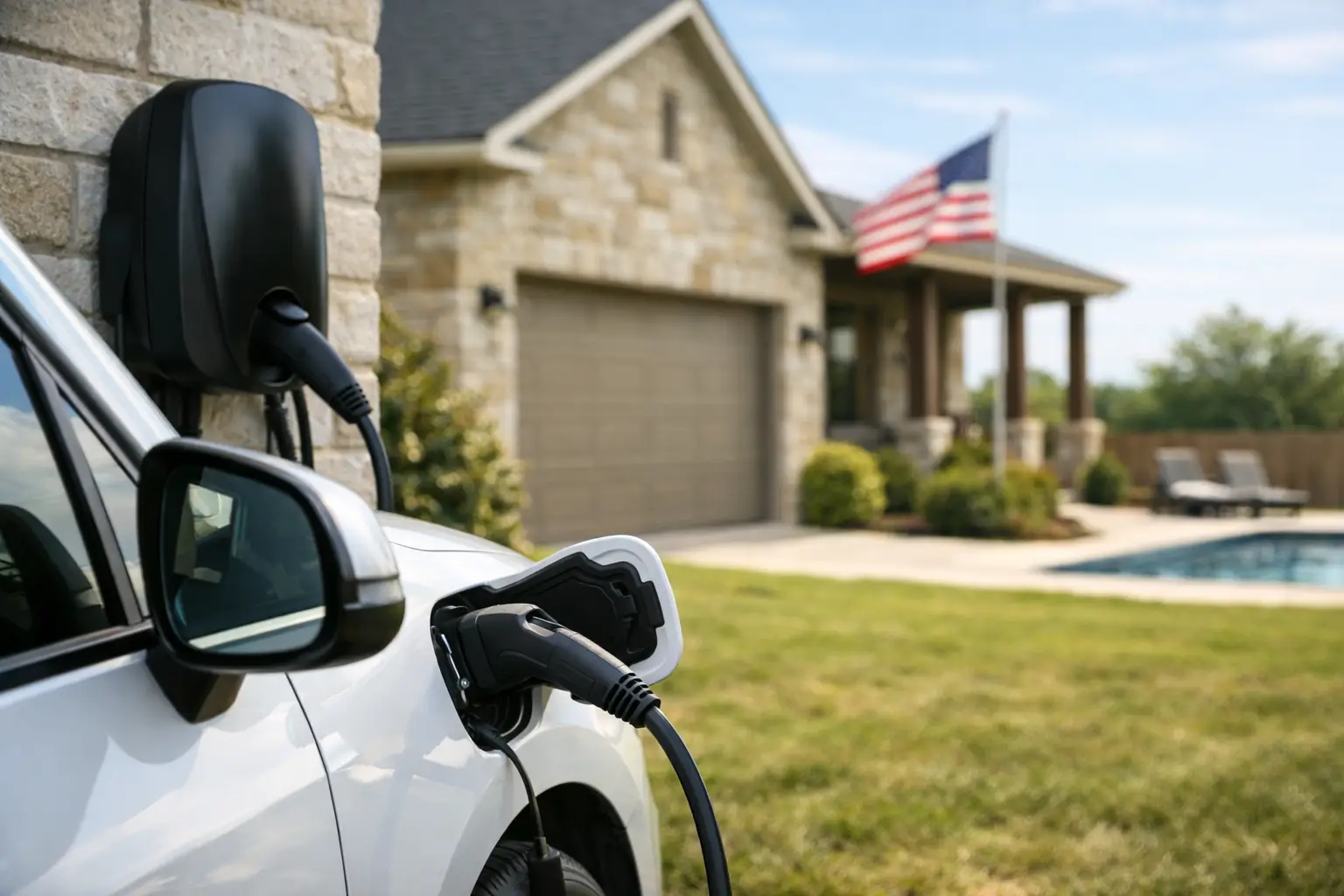
Pulling into the garage after a long Houston-area commute is a lot easier when your vehicle can charge overnight. But a useful home EV charger review is not just about which unit has the best app or the highest advertised amperage. The right choice depends on your vehicle, your daily driving, your home’s electrical capacity, and whether the installation is completed safely and to code.
For most Magnolia-area homeowners, a professionally installed Level 2 charger is the practical answer. It can turn everyday charging into a simple routine rather than another stop on the way home. Still, the fastest charger on the shelf is not automatically the best charger for every house.
What Matters in a Home EV Charger Review
Start by separating the charging equipment from the electrical work behind it. The wall-mounted unit may look like the main purchase, but its performance is limited by the dedicated circuit, wiring, breaker size, panel capacity, and vehicle charging capability. A quality charger installed on an undersized circuit will not deliver the result you expect. More importantly, forcing an overloaded electrical panel to support new demand creates a safety concern.
A home charger should be evaluated on four practical points: charging speed, compatibility, reliability, and installation requirements. Price matters, but the lowest upfront price can become expensive if the unit is difficult to service, incompatible with your vehicle, or installed without the required electrical upgrades.
Level 1 vs. Level 2 Charging
Level 1 charging uses a standard 120-volt household outlet. It is slow, often adding only a few miles of driving range per hour. For a plug-in hybrid or a vehicle driven lightly each day, that may be enough. It also avoids the cost of installing a new 240-volt circuit, assuming the existing outlet is safe and in good condition.
Level 2 charging uses 240 volts, similar to the power used by large appliances. It is the preferred option for most fully electric vehicles because it can replenish substantially more range during an overnight charge. Depending on the vehicle and charger, many homeowners can begin the evening with a low battery and wake up ready for normal daily driving.
Level 2 is not always a one-size-fits-all purchase. A 48-amp charger may be appealing, but it requires more electrical capacity than a 32-amp or 40-amp model. If your vehicle is parked for 10 to 12 hours most nights, a moderately sized charger may meet your needs without requiring a larger panel upgrade. A licensed electrician can help determine what your home can safely support before you buy equipment.
Choosing the Right Charging Speed
Charging speed is commonly discussed in amps, but homeowners should focus on what the number means in real life. A charger with a higher output can add range faster, yet your vehicle has its own maximum Level 2 charging rate. If the vehicle cannot accept the additional power, paying extra for a higher-output unit will not make it charge faster.
Your driving habits should guide the decision. A household with one EV driven 30 to 50 miles per day may be well served by a lower-output Level 2 charger. A family with multiple EVs, a long commute, or frequent same-day driving may benefit from a faster unit, load-management features, or a plan for future electrical expansion.
There is also a continuous-load rule that affects installation. EV charging is treated as a continuous electrical load, which means the circuit and equipment must be sized accordingly. This is one reason a charger should not simply be plugged into whatever outlet happens to be nearby. Proper circuit sizing, correct wire selection, and a suitable breaker are part of a safe installation.
Hardwired or Plug-In Chargers
Many Level 2 chargers are available in hardwired and plug-in versions. A plug-in unit can be convenient if you expect to relocate it or replace it later. It must be paired with the correct receptacle, properly rated wiring, and a circuit designed for the charger’s continuous load. A worn or poorly installed outlet can overheat under repeated high-current use.
A hardwired charger is permanently connected to its dedicated circuit. It often provides a clean appearance and can support higher charging outputs, depending on the equipment and installation. It also removes the receptacle from the equation. Neither option is automatically better, but hardwiring is frequently the right fit when homeowners want a permanent, higher-capacity charging setup.
Features Worth Paying For
Not every feature adds value. A reliable, safety-listed charger with a solid warranty is often a better choice than a feature-heavy model with questionable long-term support. Look for equipment that has been tested by a recognized safety organization and is approved for the intended use, especially if it will be installed outdoors or in a humid garage environment.
Smart features can be helpful when they solve a real problem. Wi-Fi connectivity may allow you to schedule charging during lower-rate utility periods, track energy use, or receive maintenance alerts. For homeowners with time-of-use electricity plans, scheduled charging can help control operating costs. However, app access should not be the only way to start a charge. The charger should remain easy to use when internet service is unavailable.
Cable length and connector type deserve attention as well. Measure the distance from the planned charger location to your vehicle’s charging port. A cable that barely reaches can become frustrating every day, while an excessively long cable should be stored neatly to reduce trip hazards and wear. If your household owns or expects to own different EV brands, confirm that the connector works with your current vehicle and future plans.
The Electrical Work Is Part of the Purchase
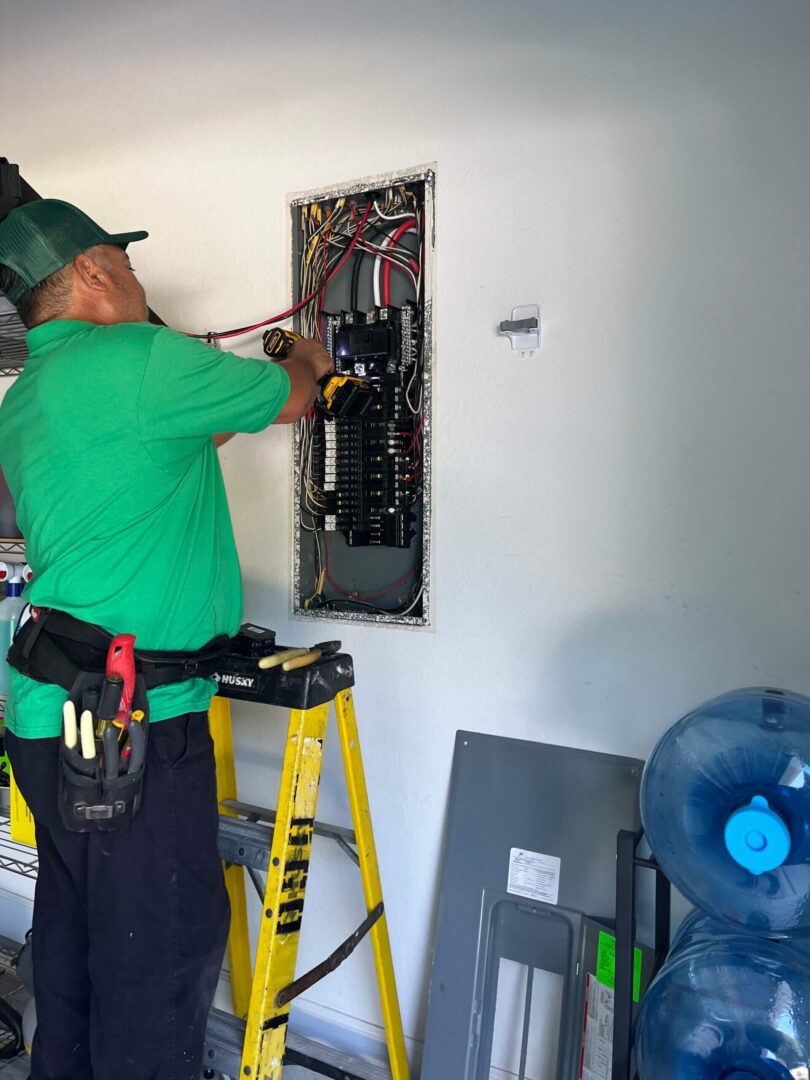
A charger installation begins with an electrical assessment, not a box on the garage wall. An electrician should review your service panel, available capacity, grounding, the route for new wiring, and the distance between the panel and charging location. Older homes may need a panel upgrade, new breakers, or other corrections before an EV circuit is added.
The route matters because it affects both cost and appearance. A charger located near the electrical panel may require less labor and material than one on the opposite side of the home or in a detached garage. Trenching, attic access, wall repairs, and outdoor-rated equipment can also change the scope. Honest pricing means explaining these factors before work begins, not surprising the homeowner after installation is underway.
Permits and inspections are also part of doing the job right. Local requirements vary, but permitted electrical work helps verify that the installation meets applicable safety standards. That matters for your family, your property, and potential future home sales. It may also matter to an insurer after an electrical incident.
Logo Electrical Services evaluates the complete installation, including whether your existing panel can support the charger you want. That approach helps homeowners make decisions based on real electrical conditions rather than assumptions.
When a Panel Upgrade May Be Needed
An EV charger does not automatically require a service-panel upgrade. Many homes have sufficient capacity for a properly sized dedicated circuit. The answer depends on the existing electrical load from air conditioning, electric heat, water heaters, appliances, pool equipment, and other high-demand systems.
A panel upgrade becomes more likely in older homes, homes with limited service capacity, or households adding several major electrical loads at once. If you are considering a generator, hot tub, electric range, workshop equipment, or a second EV, it is wise to discuss the full plan before adding one circuit at a time. Planning ahead can reduce duplicate work and give you room to grow.
In some cases, an electrician may recommend a lower-output charger instead of a panel upgrade. In others, energy-management equipment may be appropriate. The right answer is the one that safely meets your charging needs without overselling equipment you do not need.
A Practical Buying Decision
Before selecting a unit, think about where you park, how far you drive, how long the vehicle sits overnight, and whether another EV may join the household. Then have a licensed electrician verify the home’s capacity and provide a clear installation plan.
The best home charger is the one that fits your daily routine, works reliably in your garage or driveway, and is supported by safe, code-compliant electrical work. A little planning before purchase can prevent a frustrating installation and give you the confidence that every overnight charge is ready when you are.