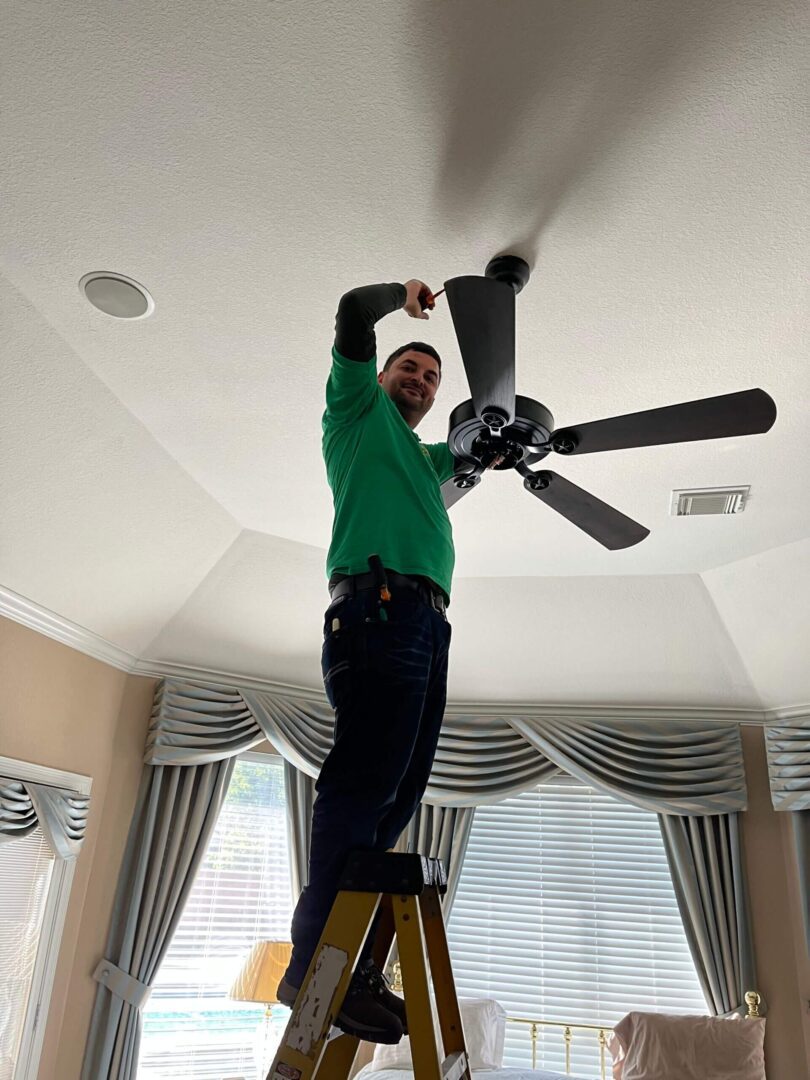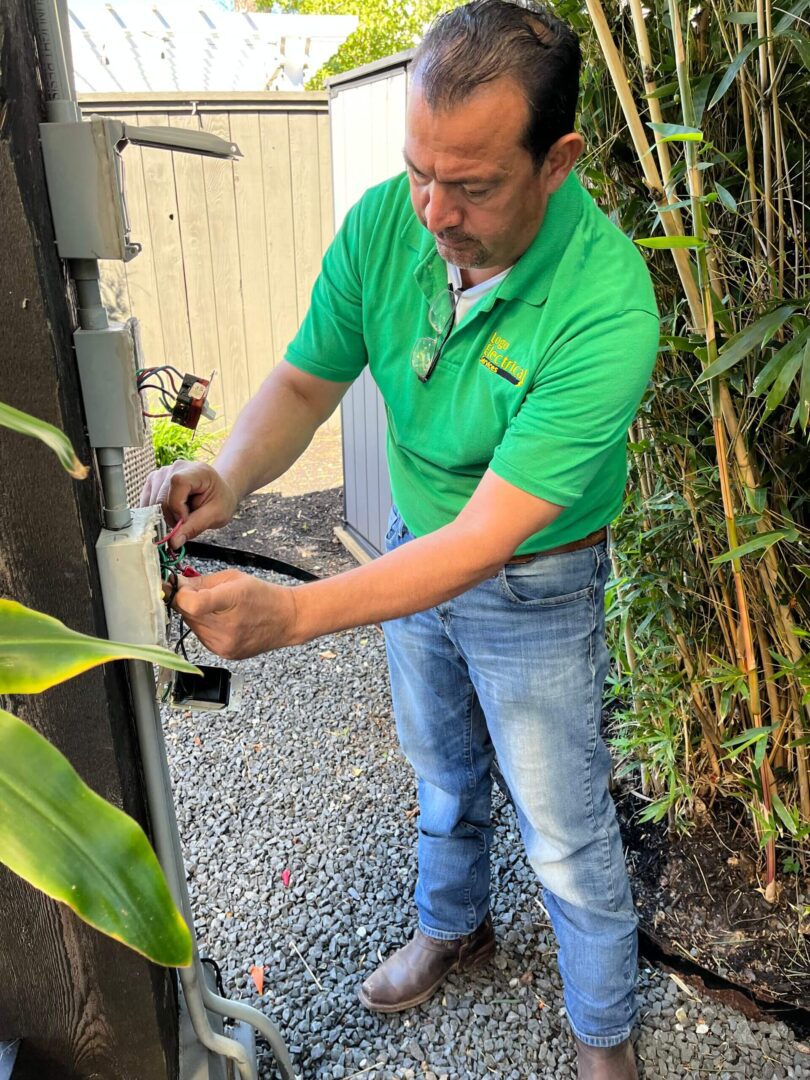
A light that flickers when the air conditioner starts, an outlet that feels warm, or a breaker that trips repeatedly may seem like small household annoyances. They are often your electrical system’s way of asking for attention. This home electrical maintenance guide helps Magnolia and Houston-area homeowners recognize what they can safely monitor, what requires prompt service, and when a licensed electrician should handle the work.
Electrical maintenance is not about opening a panel or attempting repairs without training. It is about paying attention to changes, using your system responsibly, and addressing small concerns before they become inconvenient, expensive, or unsafe.
Start With a Safe Home Electrical Maintenance Routine
A good routine is visual, simple, and consistent. Walk through your home every few months, and pay extra attention after severe storms, a power outage, flooding, major remodeling, or the installation of a large new appliance.
Look at outlets, switches, cords, and appliances without removing cover plates or touching exposed wiring. Your goal is to identify signs of wear, heat, moisture, or overloading. Older homes may need closer attention, especially if the electrical panel has not been upgraded to support modern loads such as larger HVAC equipment, workshop tools, pool equipment, EV chargers, and home office technology.
Use this basic checklist during your inspection:
- Test GFCI outlets in bathrooms, kitchens, garages, laundry areas, and outdoor spaces using the built-in TEST and RESET buttons.
- Check smoke alarms and carbon monoxide alarms monthly, and replace batteries as directed by the manufacturer.
- Look for cracked outlet covers, loose plugs, damaged extension cords, or cords pinched under rugs and furniture.
- Confirm that outdoor electrical covers close properly and protect receptacles from rain and sprinkler exposure.
- Notice whether lights dim, outlets lose power, breakers trip, or appliances behave differently when other equipment starts.
If a GFCI outlet will not reset, do not force it. If it trips again immediately, leave it off and schedule service. The same rule applies to circuit breakers. A breaker that trips once after an obvious overload may be doing its job. A breaker that continues to trip is signaling a problem that needs diagnosis.
Know the Warning Signs That Should Not Wait
Some electrical issues call for a service appointment soon. Others require immediate action. The safest approach is to take unusual electrical behavior seriously rather than hoping it disappears.
Call a licensed electrician promptly if you notice warm or discolored outlets, buzzing from a switch or panel, a burning or fishy odor, sparks, frequent breaker trips, flickering throughout the house, or shocks from appliances or fixtures. These symptoms can be caused by loose connections, damaged wiring, overloaded circuits, failing devices, or issues within the electrical panel.
If you see smoke, active sparking, fire, or water near energized equipment, move people away from the area and call emergency services. Do not touch the panel, appliance, or standing water. If it can be done without approaching the hazard, turn off power at the main disconnect. Otherwise, wait for qualified help.
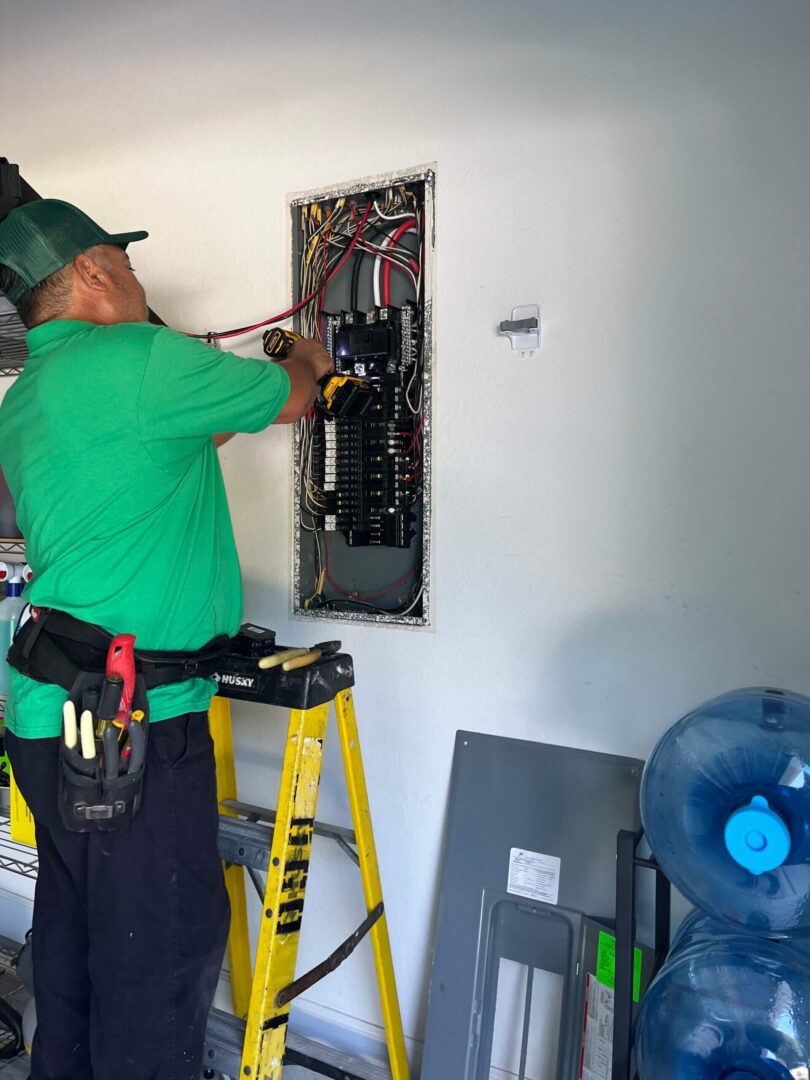
A panel should also be evaluated when it feels hot, makes crackling sounds, has corrosion, or contains breakers that will not stay set. Homeowners should not remove the panel cover. Live components remain energized even when individual breakers are off, and a proper assessment requires training, protective equipment, and the right test instruments.
Frequent Trips Are Information, Not an Inconvenience
It is tempting to reset a tripped breaker and move on. Yet repeated trips often reveal that a circuit is carrying more demand than it was designed to handle. A bedroom circuit may have once supplied a lamp and a television; today, it may also serve gaming equipment, portable heaters, chargers, and a workstation.
Sometimes the fix is as straightforward as moving appliances to separate circuits. In other cases, the home needs a dedicated circuit, new wiring, or a panel upgrade. The right answer depends on the circuit load, the condition of the existing equipment, and local code requirements. A qualified electrician can identify the cause instead of simply treating the symptom.
Protect Your System From Texas Weather and Power Events
Magnolia-area homes deal with thunderstorms, utility interruptions, heat, humidity, and occasional severe weather. These conditions can place extra stress on electrical systems and sensitive electronics.
Whole-home surge protection is one practical layer of defense. It is installed at or near the electrical panel and helps reduce the impact of voltage spikes that can enter through utility lines. It does not make electronics invincible, and point-of-use surge strips still have a place for certain equipment. However, whole-home protection provides broader coverage for appliances, HVAC controls, smart-home devices, televisions, and other connected equipment.
After an outage, allow large appliances and HVAC equipment to return to normal operation as directed by their manufacturers. If the power comes back and you notice partial power, flickering across multiple rooms, unusual panel noise, or appliances operating inconsistently, contact an electrician. These can indicate more than a routine outage issue.
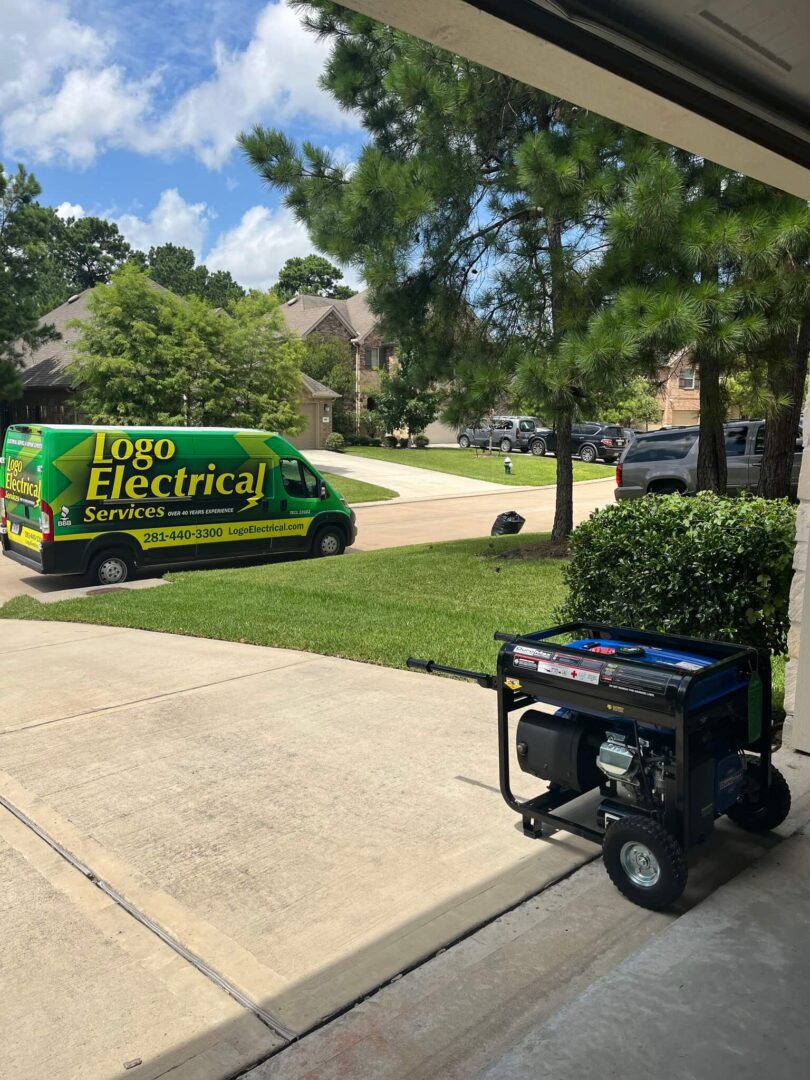
Outdoor equipment deserves attention as well. Check that landscape lighting, pool-related electrical equipment, exterior receptacles, and generator connections are protected from moisture and physical damage. Never use an indoor extension cord outdoors or run a portable generator in a garage, carport, or enclosed area. Generator systems must be installed and connected correctly to prevent carbon monoxide exposure and dangerous backfeeding into utility lines.
Give High-Demand Equipment Its Own Plan
Electrical demands change as a home changes. An EV charger, hot tub, electric range, new HVAC system, workshop, or standby generator can exceed the available capacity of an older circuit or panel. Installing these items without a proper load calculation can lead to nuisance tripping, overheated connections, or an electrical system that no longer meets current needs.
Before adding major equipment, have the electrical service evaluated. A licensed electrician can review panel capacity, grounding, circuit availability, wiring paths, and permit requirements. This is particularly valuable in older homes where the panel may appear functional but lacks the capacity or safety features needed for current loads.
The same thinking applies to renovations. A new kitchen, bathroom, garage conversion, or backyard project may require GFCI protection, AFCI protection, dedicated circuits, weather-rated equipment, or changes to the service. Planning electrical work before walls are closed is usually cleaner and more cost-effective than adding it after the fact.
Keep Everyday Habits From Creating Electrical Problems
Many household electrical issues begin with ordinary habits rather than a single dramatic failure. Avoid daisy-chaining power strips, using extension cords as permanent wiring, or plugging high-wattage appliances into undersized cords. Space heaters, air fryers, microwaves, hair tools, and portable air conditioners can place a heavy load on a circuit.
Use bulbs with the correct wattage and fixture rating. Replace damaged cords rather than wrapping them with tape. Keep cords away from water, heat sources, doors, and walkways. In homes with children, tamper-resistant receptacles and intact outlet covers provide another sensible layer of protection.
It also helps to keep your electrical panel accessible. Do not block it with storage, shelving, or household items. If an emergency occurs, you should be able to reach the panel quickly. Labeling circuits clearly is useful, but avoid guessing if labels are inaccurate. An electrician can trace and label circuits properly during a service visit.
When Preventive Service Makes Sense
Preventive electrical service is especially worthwhile if your home is more than 20 years old, you have recently purchased an unfamiliar property, or you are planning a significant upgrade. A professional inspection can identify aging panels, improper wiring methods, missing protection, grounding concerns, overloaded circuits, and equipment affected by moisture or storm damage.
For homeowners who want clear answers and code-compliant work, Logo Electrical Services brings licensed experience to repairs, panel upgrades, surge protection, generator systems, EV charging, and residential electrical improvements. The goal is not to sell a repair you do not need. It is to explain what the system is doing, present the appropriate options, and complete the work safely.
Your electrical system should be quiet, dependable, and easy to take for granted. When it starts asking for attention, responding early can protect your home, your family, and the equipment you rely on every day.