A Texas storm can turn a normal evening into a power-planning exercise fast. Homeowners asking what size generator powers a whole house usually want a simple answer, but the right size depends on what “whole house” means for your family. Keeping every circuit available is different from running every appliance, both air conditioners, the pool equipment, and the electric dryer at the same time.
For many Magnolia and Houston-area homes, a permanently installed standby generator in the 18 kW to 26 kW range can support normal household essentials and much of the home. Larger homes, multiple HVAC systems, electric heat, well pumps, pool equipment, or high-demand appliances may need 30 kW or more. The only dependable way to choose is to calculate your actual electrical load and decide what should operate during an outage.
What Size Generator Powers a Whole House?
A generator is sized in kilowatts, or kW. One kilowatt equals 1,000 watts. The rating tells you how much electrical power the generator can supply continuously, but your home does not draw the same amount of power every moment. An air conditioner needs a larger burst of power to start than it needs to keep running. A refrigerator, well pump, and some other motor-driven appliances work the same way.
That is why a generator should not be selected by adding the wattage printed on every appliance in the house. A professional load calculation considers the equipment you expect to use, its running demand, its starting demand, and the likelihood that several large loads will start together.
As a general starting point, these ranges are useful for many homes:
| Home backup goal | Common standby generator range | What it may support | | — | —: | — | | Essential circuits only | 10 kW to 14 kW | Refrigerator, lights, internet, select outlets, gas furnace blower, and one small HVAC load with careful planning | | Most everyday home needs | 18 kW to 26 kW | Major essentials, central air conditioning, kitchen appliances, laundry by load management, and more circuits | | Larger or all-electric home | 26 kW to 38+ kW | Multiple HVAC systems, larger homes, well pumps, electric appliances, and broader whole-home coverage |
These are planning ranges, not a substitute for an evaluation. A 2,000-square-foot home with gas heat and one efficient air conditioner may have a lower backup demand than a smaller all-electric home with two older HVAC units.
Start With the Loads That Matter During an Outage
The best generator plan begins with an honest conversation about how your household lives when utility power is out. Some families only need refrigeration, lighting, charging, a few outlets, and one air conditioner. Others need to keep a well pump running, support medical equipment, work from home, maintain security systems, or avoid losing food during a multiday outage.
Your highest-demand equipment usually drives generator sizing. Central air conditioning is often the biggest factor in Texas. A typical system may require several thousand watts while running and substantially more when the compressor starts. An electric water heater, electric range, clothes dryer, pool pump, electric vehicle charger, and electric heat can also increase the required generator size quickly.
A licensed electrician will typically review the equipment that matters most, including:
- HVAC equipment and the number of systems you want available
- Water well pumps, sump pumps, septic pumps, and pool equipment
- Refrigerators, freezers, kitchen appliances, and laundry equipment
- Electric water heating, cooking, heating, and EV charging loads
- Medical devices, security equipment, home office circuits, and any specialty loads
The goal is not necessarily to power every item at once. It is to provide dependable backup power without overloading the generator or paying for capacity you will never use.
Running watts and starting watts both count
A generator must handle the power a device uses while operating, called running watts, and the temporary surge required when certain motors start. If the generator is sized too close to the normal running load, a compressor or pump starting can cause voltage drop, nuisance shutdowns, or generator overload.
Modern load-management controls can help. These controls temporarily prevent lower-priority equipment from starting while a higher-priority load is running. For example, they can prioritize your air conditioner and refrigerator while delaying the pool pump, water heater, or EV charger. Load management may allow a properly designed system to serve more of the home without moving to an unnecessarily oversized generator.
Whole-House Backup Does Not Always Mean Everything Runs at Once
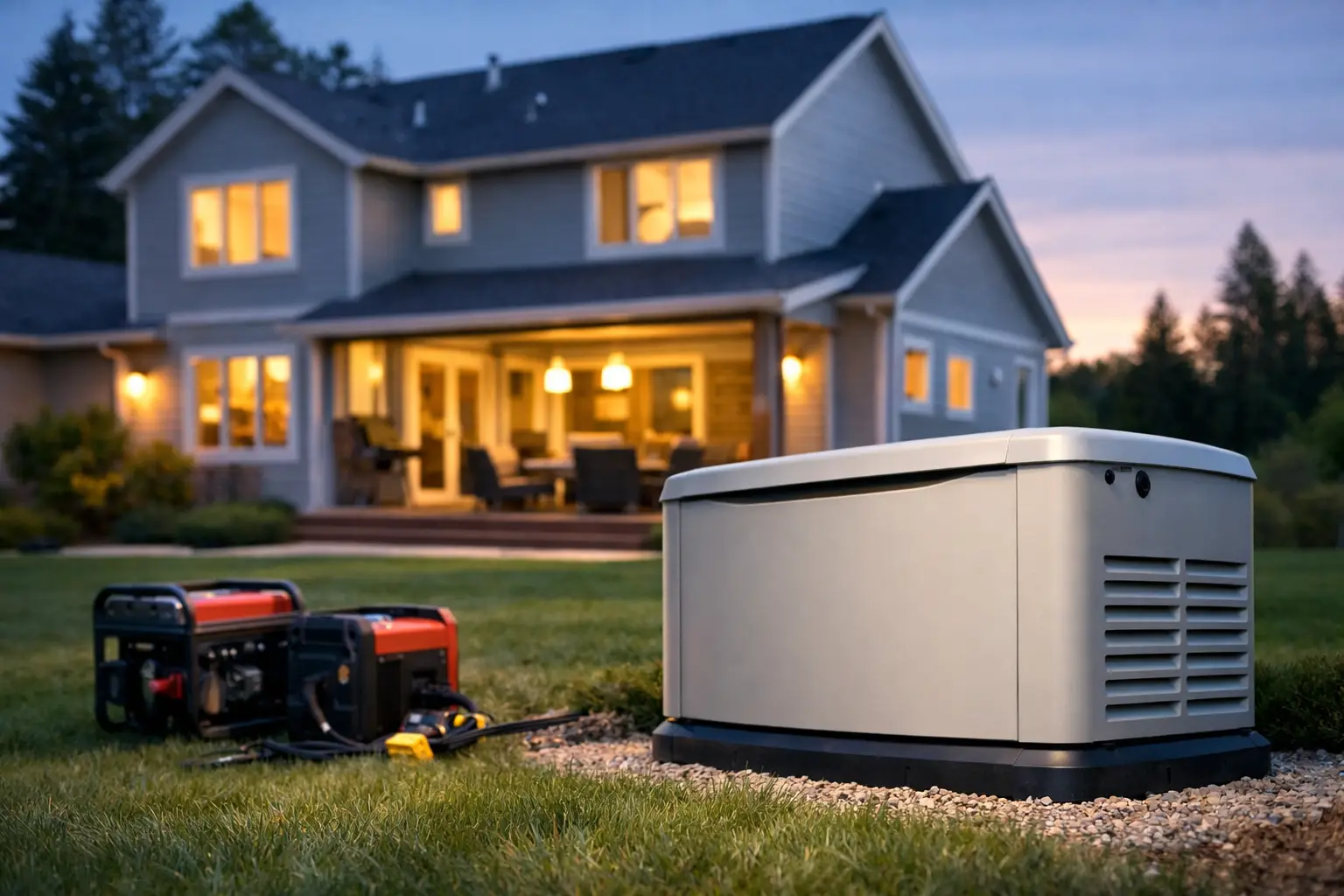
“Whole-house generator” commonly describes a standby system connected through an automatic transfer switch that can energize the home’s electrical panel. It does not promise unlimited electricity. Your generator still has a defined capacity, just like the utility service and the electrical panel do.
For many homeowners, whole-house coverage means they do not have to choose a handful of extension-cord circuits during an outage. The generator powers the home normally, while the family uses high-demand appliances thoughtfully. You may run one central AC system, cook a meal, use lights and refrigeration, and charge phones without a problem. You may not run both air conditioners, the dryer, oven, water heater, and EV charger simultaneously unless the system was designed for that demand.
This approach often delivers the best balance of comfort, reliability, and cost. Buying the largest possible generator is not always the right answer. Larger units cost more, use more fuel, and may require a larger fuel supply, more installation space, and additional electrical upgrades.
Your Electrical Panel and Transfer Switch Matter
A standby generator is more than the unit outside. It is a complete backup-power system that includes the generator, automatic transfer switch, electrical connections, fuel supply, grounding, and properly configured controls.
The automatic transfer switch monitors utility power. When the power fails, it directs the home away from the utility source and onto generator power. When utility power returns and stabilizes, the system transfers the home back. This separation is a critical safety feature. A generator must never backfeed utility lines through an outlet or an improvised connection.
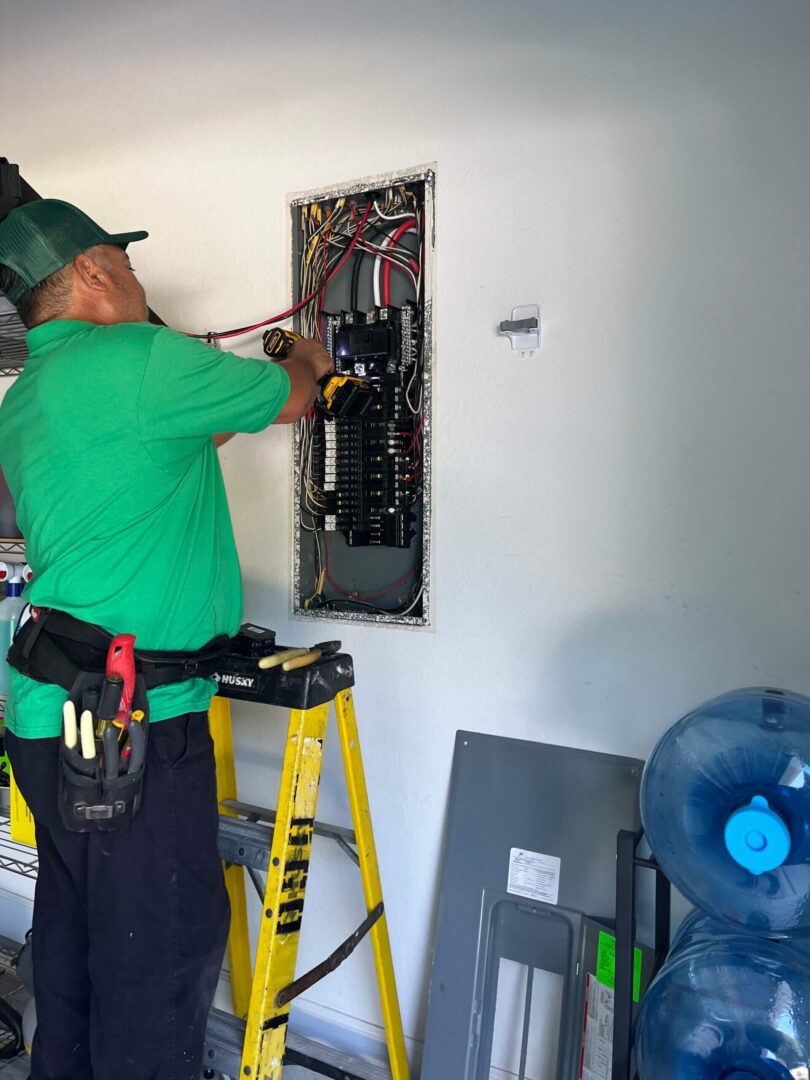
Older homes may also need panel work before a generator installation. If the existing electrical panel is undersized, damaged, full, or not suited to the planned transfer equipment, upgrading it can make the backup system safer and more reliable. A qualified electrician should also verify grounding, wiring condition, breaker capacity, and the placement of any load-management equipment.
Fuel Supply Can Limit Your Options
Most whole-home standby generators use natural gas or propane. Natural gas is convenient where service is available because it can provide extended operation without refueling. However, the gas line must be properly sized for the generator’s BTU demand as well as the home’s existing gas appliances.
Propane can be an excellent solution for homes without natural gas, but tank size and refill access deserve careful consideration. During a prolonged outage, the amount of fuel stored on-site directly affects how long your home can run. Generator sizing and fuel planning should happen together, not as separate decisions.
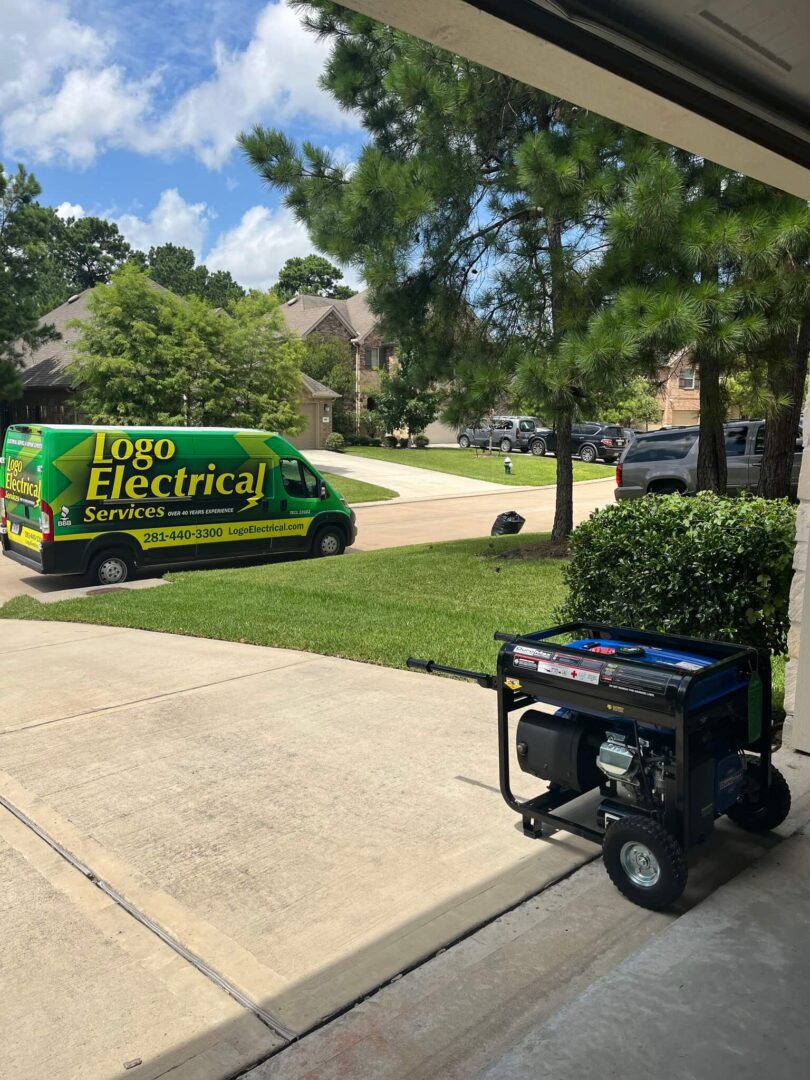
Portable generators can provide practical short-term backup for limited loads, but they are not the same as a whole-house standby system. They require manual setup, safe outdoor placement, refueling, and careful use of a generator inlet and interlock or transfer switch. They should never operate in a garage, near doors or windows, or anywhere exhaust could enter the home.
A Better Way to Choose the Right Generator Size
Start by listing what cannot be without power for a day or more. Then identify comfort loads you would strongly prefer to keep, such as central air conditioning, kitchen appliances, or a home office. Finally, identify high-demand items you can manage or temporarily leave off during an outage.
From there, a licensed electrical contractor can perform a load assessment, inspect the panel, verify transfer-switch options, and coordinate the electrical side of a properly installed standby system. The assessment should include clear recommendations, not vague promises that one generator size works for every house.
At Logo Electrical Services, our approach is to explain the trade-offs clearly so homeowners can choose a generator system that fits their home, budget, and outage priorities. With more than 45 years of industry experience, our team understands that backup power is about more than convenience. It is about keeping your family safe, comfortable, and prepared when the grid is not available.
The right generator should feel like quiet confidence, not a compromise made in the dark. Before the next storm season, have a licensed professional evaluate your home’s real load, electrical infrastructure, and fuel options so your backup plan works when you need it most.