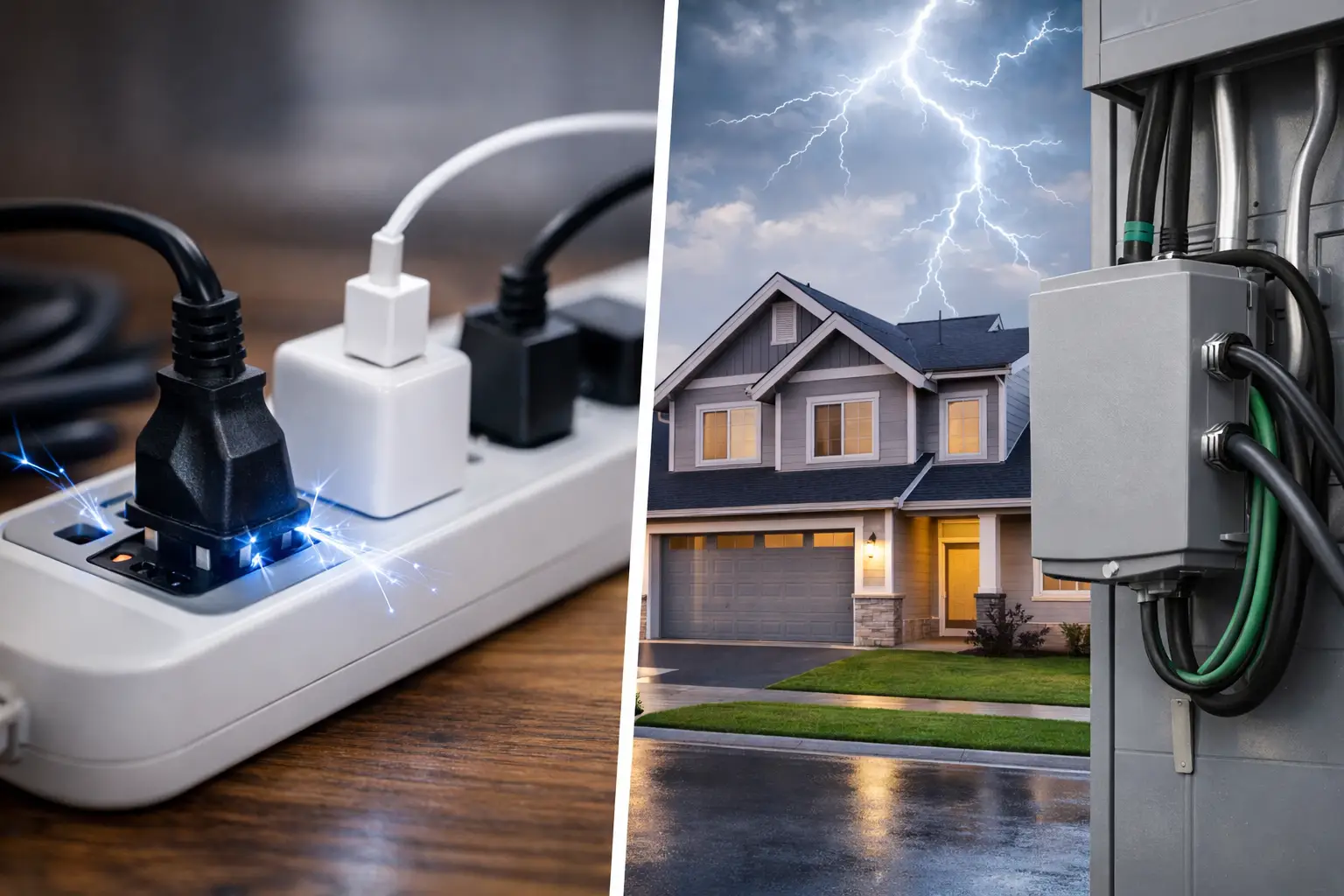
A lightning storm does not have to strike your home directly to damage electronics. A nearby strike, a utility switching event, or a large appliance cycling on can send a voltage spike through your wiring. When homeowners ask about surge protector vs whole house protection, the answer is rarely that one option makes the other unnecessary. The safest approach is usually layered protection that addresses both the electrical panel and the devices you value most.
For Magnolia and Houston-area homeowners, this is more than a convenience upgrade. Modern homes have televisions, computers, smart appliances, HVAC controls, garage door openers, security systems, and chargers that rely on sensitive circuit boards. Replacing one damaged board can cost far more than planning a proper surge-protection strategy.
What a Plug-In Surge Protector Does
A plug-in surge protector is the familiar power strip or wall-mounted device used near electronics. It is designed to limit excess voltage reaching the equipment plugged into it. Quality models can be useful for a desktop computer, television, router, gaming system, or entertainment center.
The key word is quality. Not every power strip is a surge protector. A basic strip may only provide additional outlets and a resettable breaker for overloads. It may not provide meaningful protection from voltage surges at all. A true surge-protective device is rated to divert or absorb a portion of a surge before it reaches connected equipment.
Plug-in protection has a clear advantage: it works close to the device. That matters because some small surges can develop or enter along branch circuits inside the home. A point-of-use protector adds a final layer between the outlet and sensitive electronics.
Still, it has limits. It only protects what is plugged into it. Your refrigerator, dishwasher, HVAC equipment, washer, dryer, hardwired lighting, and garage door opener are not protected by the strip behind your television. It also cannot correct a wiring problem, loose connection, grounding issue, or overloaded circuit.
What to look for in a plug-in unit
Look for a recognized testing label, enough outlets for the equipment you actually use, and protection designed for the type of device being connected. Some units also provide protection for coaxial cable, Ethernet, or phone lines, which can matter for internet equipment and televisions.
Surge strips wear out over time. After repeated surge events, their internal components may no longer provide the same protection even though the outlets still work. An indicator light can be helpful, but it is not a substitute for checking the manufacturer’s guidance or replacing an older unit after a known major event.
What Whole-House Surge Protection Does
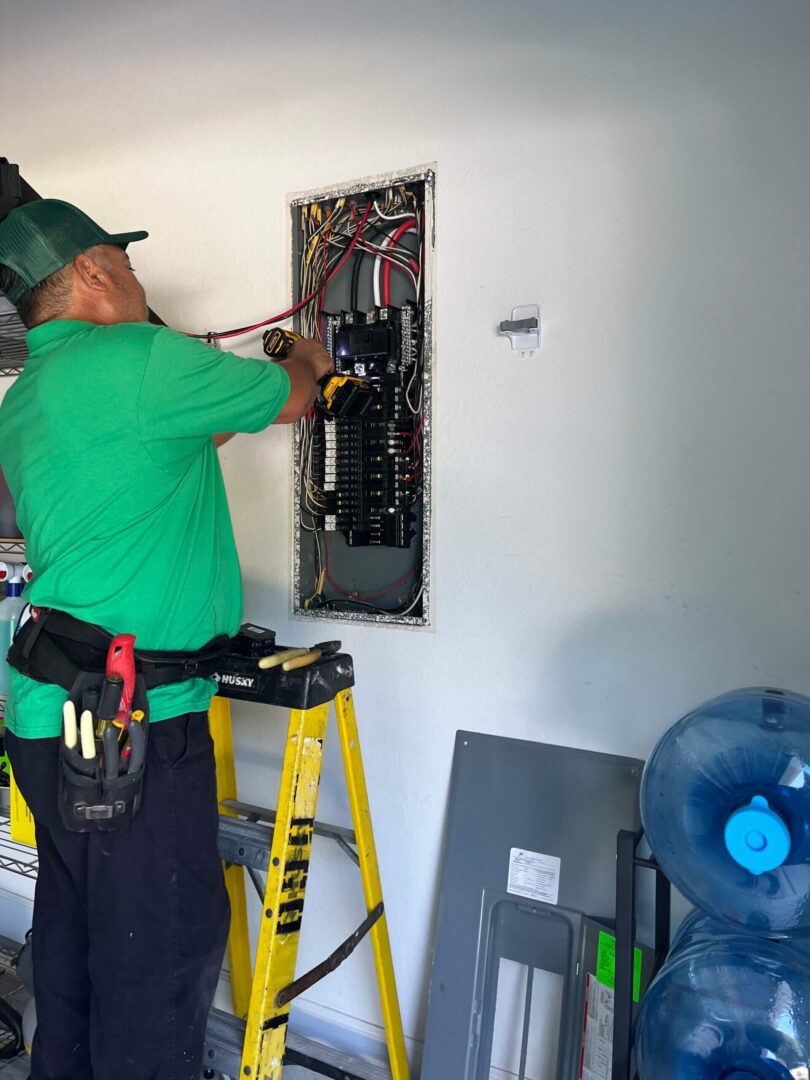
Whole-house surge protection is installed at or near your main electrical panel. It is intended to reduce surges entering through the electrical service before they spread across the home’s circuits. In most residential applications, a licensed electrician installs a listed surge-protective device at the panel and verifies that it is properly connected and grounded.
This is broad protection, not a force field. A whole-home device helps protect hardwired systems and every circuit downstream from many utility-related and external surges. It is especially valuable for homes with expensive HVAC equipment, smart appliances, pool equipment, generator connections, EV chargers, and newer electronic controls.
It can also reduce the cumulative wear caused by smaller, routine voltage events. Many electronics do not fail dramatically after one surge. Instead, repeated stress can slowly shorten the life of circuit boards and power supplies. Whole-house protection addresses that risk at the source, before a surge travels through multiple circuits.
Why proper installation matters
A panel-mounted device is only as dependable as its installation. Surge protectors need a sound grounding and bonding system to direct excess energy safely. If the electrical panel is outdated, crowded, improperly grounded, or showing signs of corrosion or heat damage, those issues should be addressed as part of the conversation.
An electrician should also confirm that the device is compatible with the panel and installed according to manufacturer instructions and applicable electrical code. It may require dedicated breaker space, depending on the product and panel configuration. This is not an upgrade to handle with improvised wiring or a guess about available panel capacity.
Surge Protector vs Whole House Protection: The Real Difference
The simplest distinction is coverage. A plug-in surge protector covers a limited group of devices at one outlet. Whole-house protection covers the electrical system more broadly, beginning at the service panel.
The more useful distinction is location. Whole-house protection is the first line of defense, reducing the strength of incoming surges before they reach branch circuits. Plug-in protectors work as a second line, helping protect delicate electronics where they are used. A home with only power strips still leaves major hardwired equipment exposed. A home with only panel protection may still benefit from point-of-use protection for especially sensitive or high-value electronics.
Neither option protects against every electrical problem. A surge protector will not keep the lights on during an outage, replace a generator, stop a breaker from tripping, or fix damaged wiring. It also may not protect equipment from a surge entering through cable, satellite, telephone, or data lines unless those paths are protected as well.
When Whole-House Protection Is Worth It
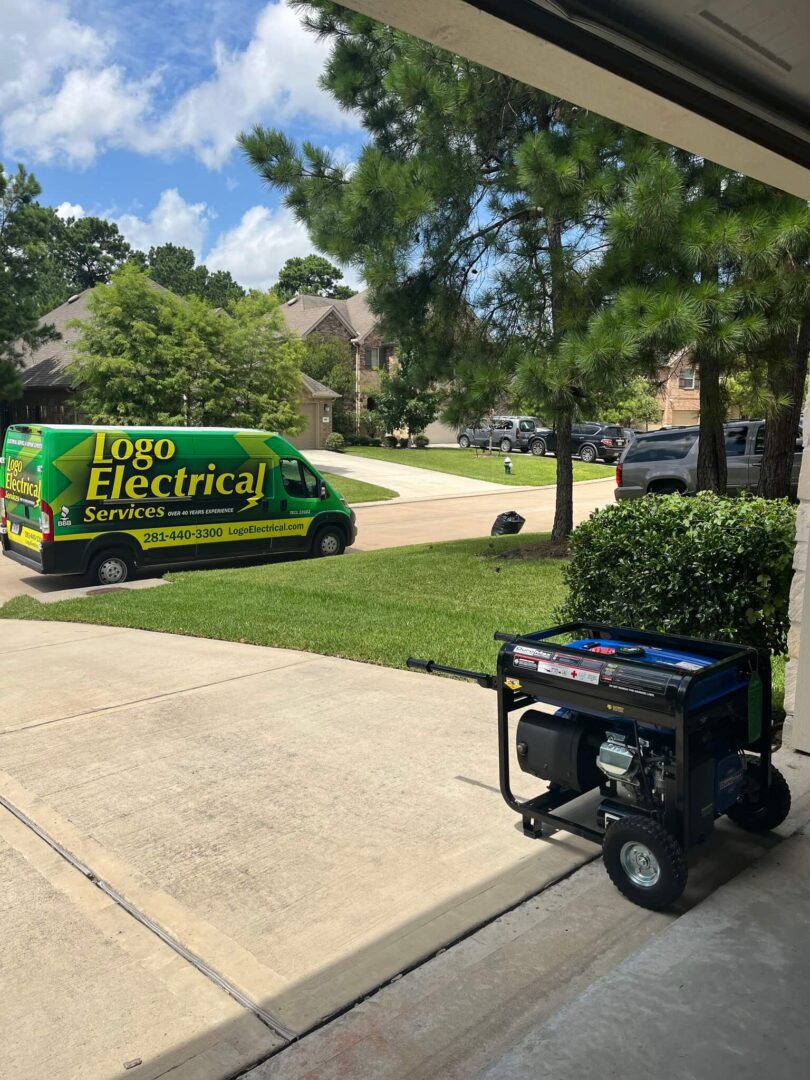
Whole-house protection is a practical investment for many homeowners, but it becomes particularly compelling in certain situations. Consider it when you are replacing or upgrading an electrical panel, installing a generator or transfer equipment, adding an EV charger, renovating a home, or replacing major HVAC equipment. These projects already involve electrical work, making it a sensible time to protect the systems you are investing in.
It is also worth discussing if your home has experienced lightning-related damage, unexplained appliance board failures, or frequent utility interruptions. While no electrician can promise that a surge device will prevent every possible failure, a professionally installed system can meaningfully reduce exposure to common surge events.
Older homes deserve special attention. Their panels, grounding, and circuit layouts may not have been designed for the number of electronic loads found in a modern household. In some cases, surge protection can be added without a panel replacement. In others, an electrical inspection may reveal that a panel upgrade or grounding correction should come first.
Choosing the Right Protection for Your Home
There is no one-size-fits-all answer because homes have different electrical systems and different priorities. A family with a home office, smart home equipment, and several large appliances may want whole-house protection plus quality surge protectors at computer and entertainment setups. A homeowner preparing for a generator installation may choose to add panel protection at the same time to protect connected controls and appliances.
When comparing products, avoid making the decision based only on a single number on the package. Ratings matter, but so do installation location, warranty terms, panel compatibility, grounding quality, and the type of equipment you want to protect. The lowest-cost device is not always the best value if it is poorly matched to the home’s electrical system.
A licensed electrician can inspect the panel, review your grounding and bonding, identify concerns that could affect performance, and explain whether panel-mounted protection is appropriate. At Logo Electrical Services, that conversation should be clear and straightforward: what your home needs, what it does not need, and what the work will cost before the job begins.
Common Questions Homeowners Ask
Will a whole-house protector protect appliances?
It can help reduce the risk of damage to appliances and hardwired equipment from many voltage surges. It does not guarantee that no appliance will ever fail, since appliances can fail for mechanical reasons, age, wiring issues, and severe electrical events beyond the capacity of the device.
Do I still need surge strips after installing whole-house protection?
For computers, televisions, routers, gaming systems, and other sensitive electronics, quality plug-in surge protection is still a smart addition. The two protections work together rather than compete with each other.
Does a surge protector protect against lightning?
It can reduce damage from many nearby lightning-related surges, but no device can guarantee protection from a direct strike or an exceptionally powerful event. Good grounding, correct installation, and layered protection improve your home’s defenses.
How long does whole-house surge protection last?
Service life varies with the device and the number and strength of surges it handles. Many models include status indicators, and an electrician can inspect the device during panel service or when you have concerns after a major storm.
A surge-protection plan should fit the home you have now and the upgrades you expect to make next. If your panel has not been inspected recently, a licensed electrical assessment can give you a clear starting point and help protect the equipment your family relies on every day.