A power surge can be over in a split second, but the damage it leaves behind can be expensive. If you have ever wondered how are whole home surge protectors installed, the short answer is this: a licensed electrician mounts the device at or near your main electrical panel and connects it to a dedicated breaker or directly to the panel, depending on the model and your system.
That sounds simple on paper. In real homes, the job depends on panel space, grounding, local code requirements, and the condition of the electrical service itself. For homeowners in Magnolia and the surrounding Houston area, that is why surge protection is best treated as a professional installation rather than a quick add-on.
How are whole home surge protectors installed at the panel?
Most whole-home surge protectors are installed at the main service panel because that is where incoming electrical power enters the home. The goal is to intercept excess voltage before it travels deeper into branch circuits and reaches appliances, electronics, HVAC equipment, or smart home devices.
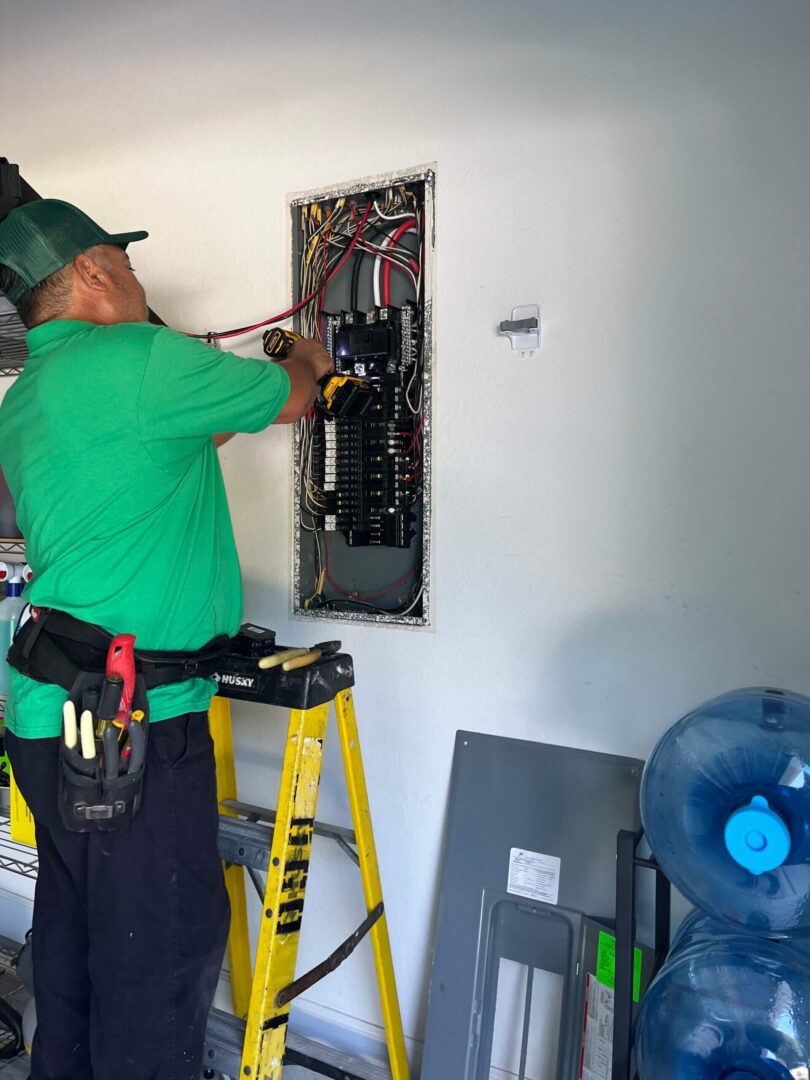
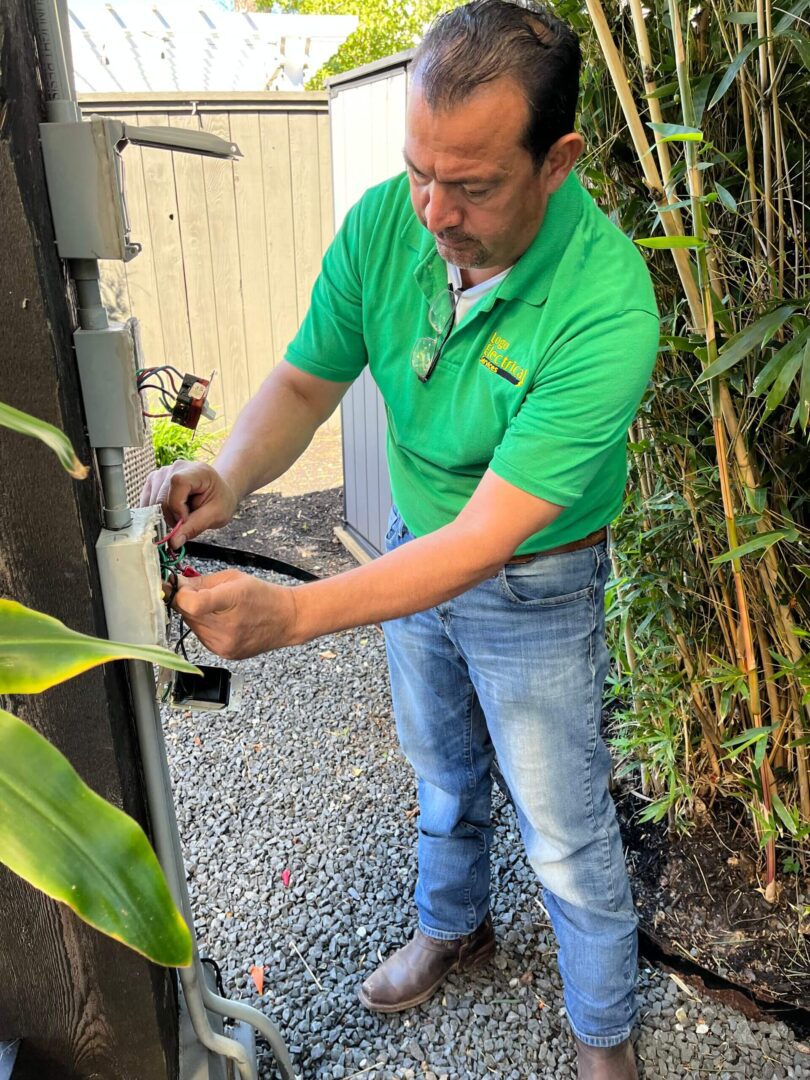
A licensed electrician usually starts by shutting off power and removing the panel cover so the interior can be safely inspected. The surge protector is then mounted either inside the panel, on the exterior of the panel, or in a closely adjacent enclosure. The exact mounting style depends on the type of surge protective device, the panel design, and whether the manufacturer requires a specific orientation or wiring method.
From there, the installer connects the device to the electrical system. In many homes, that means tying the surge protector into a double-pole breaker near the top of the panel to keep the lead length as short as possible. Shorter wire length matters because it helps the device respond more effectively during a surge event. Some units use direct bus connections instead. Either way, the installation is not just about attaching wires. It has to be done in a way that meets code, matches the panel rating, and preserves safe clearances inside the equipment.
What an electrician checks before installation
Before a surge protector goes in, a good electrician does more than confirm there is space on the panel. This is the stage where hidden issues often show up.
The first item is panel condition. If the panel is outdated, overcrowded, damaged, or already showing signs of heat or corrosion, surge protector installation may need to wait until repairs or a panel upgrade are addressed. Adding protective equipment to a panel with existing safety problems does not solve the underlying risk.
Grounding and bonding are next. A whole-home surge protector works by diverting excess voltage safely away from the electrical system. If the grounding system is poor, loose, undersized, or improperly bonded, the protector cannot perform as intended. This is one reason professional installation matters so much. The surge protector is only one part of the protection strategy. The grounding system has to be right too.
The electrician will also verify breaker compatibility, panel manufacturer requirements, and the available ampacity of the service. In some homes, especially older ones, the best recommendation may be to install surge protection as part of a broader panel modernization project.
The basic installation process
Homeowners often want to know what actually happens on installation day. While the exact process varies by home, the work usually follows a clear sequence.
First, the electrician identifies the right surge protection device for the home. Not every unit is the same. Device selection depends on the size of the service, the panel style, and the level of protection the homeowner wants for larger appliances and sensitive electronics.
Next, power is shut off and the panel is opened for access. The surge protector is mounted in its approved location, with attention to keeping conductors short and neatly routed. The unit is then connected to the breaker or panel terminals according to the manufacturer instructions and applicable electrical code.
After wiring is complete, the electrician restores power, checks indicator lights or diagnostic features on the surge protector, and verifies the panel is operating properly. If the installation includes panel labeling, breaker identification, or recommendations for layered protection at point-of-use outlets, those details are typically reviewed with the homeowner before the job is wrapped up.
Why whole-home surge protectors are not a DIY project
There are some electrical upgrades that look straightforward until the panel cover comes off. Whole-home surge protection falls into that category.
The biggest concern is shock and arc flash risk inside the panel. Even with the main breaker off, portions of the service equipment can remain energized. That is not the place for guesswork. There is also the issue of code compliance. A protector that is poorly mounted, incorrectly wired, or connected with excessive lead length may not deliver the protection you thought you were buying.
There is also a practical side to this. If your panel has limited capacity, if the grounding system needs correction, or if the manufacturer has specific installation requirements, an experienced electrician can spot that immediately. A homeowner usually cannot confirm those details by looking at online diagrams.
Do all homes get the same type of installation?
No, and that is where a lot of online advice falls short. The question of how are whole home surge protectors installed does not have one universal answer because homes are wired differently.
A newer home with a modern 200-amp panel may allow a straightforward installation with minimal adjustment. An older home may need a breaker rearrangement, a subpanel solution, grounding improvements, or even a panel replacement before surge protection can be added properly. Homes with generators, transfer switches, solar equipment, pool systems, workshops, or detached structures may also need a more careful surge protection plan.
That does not mean installation is complicated in every case. It means a good electrician will match the solution to the home instead of forcing a one-size-fits-all setup.
What whole-home surge protection does and does not do
A whole-home surge protector is designed to reduce damage from incoming voltage spikes, including surges caused by utility switching, large motor loads cycling on and off, and some lightning-related events. It adds a strong first layer of protection for expensive equipment like refrigerators, ovens, washers, dryers, HVAC systems, televisions, computers, and smart devices.
What it does not do is make every plug-in surge strip unnecessary or guarantee survival from a direct lightning strike. In many homes, the best approach is layered protection. The whole-home unit handles larger surges at the service entrance, while point-of-use surge protection helps shield especially sensitive electronics deeper inside the home.
This matters because homeowners sometimes expect one panel-mounted device to solve every power quality problem. It is a major upgrade, but it is not magic. If your home also has wiring issues, loose neutral problems, or an aging panel, those need separate attention.
How long installation takes and what affects cost
In a typical home with a modern panel and available breaker space, installation may be completed in a relatively short service visit. If the panel is crowded, incompatible, or in poor condition, the work can take longer because corrections have to be made first.
Cost depends on the surge protector itself, the panel configuration, labor time, and whether any supporting work is needed. Honest pricing matters here. A very low quote may leave out necessary panel corrections or grounding work, which can turn a simple job into a callback later. A qualified electrician should explain what is included, what is not, and whether the panel is truly ready for the upgrade.
For many homeowners, whole-home surge protection makes the most sense when paired with other electrical improvements. If you are already upgrading a service panel, adding a generator connection, or modernizing an older system, that is often the ideal time to install surge protection.
When it makes sense to schedule an evaluation
If your home has frequent storms, expensive electronics, a newer HVAC system, smart appliances, or a home office, surge protection is worth serious consideration. It is also a smart upgrade if you have recently replaced major equipment and want to protect that investment.
A professional evaluation is especially worthwhile if your home has an older panel, if breakers are already packed tightly, or if you have noticed flickering lights, nuisance tripping, or signs that the electrical system may need attention. In those cases, surge protector installation should be part of a broader look at safety and reliability.
At Logo Electrical Services, this kind of work starts with a straightforward assessment of the panel and the home’s electrical needs. That is the right way to approach surge protection – not as a gadget, but as a safety upgrade that needs to be installed correctly.
If you are thinking about whole-home surge protection, the most helpful next step is not picking a device off a shelf. It is having a licensed electrician confirm your panel, grounding, and overall setup are ready for protection that actually does its job.