A breaker that trips once may be a nuisance. A breaker that keeps tripping is your home asking for attention. If you have been wondering what is electrical repairs, the short answer is this: it is the work required to diagnose, correct, and restore unsafe, damaged, failing, or outdated electrical components so your home operates safely and reliably.
For most homeowners, electrical repair is not one single service. It covers a wide range of problems, from replacing a bad outlet to correcting a dangerous wiring issue inside the panel. Some repairs are small and straightforward. Others point to a larger problem with the circuit, the service equipment, or the age and condition of the home’s wiring. The key is knowing the difference between an inconvenience and a real safety concern.
What Is Electrical Repairs in a Home?
When people ask what is electrical repairs, they are usually talking about fixing something that is not working properly in the electrical system. That can include outlets, switches, light fixtures, breakers, wiring, GFCI protection, service panels, and connections that have loosened or deteriorated over time.
In plain terms, electrical repair means more than swapping out a part. A licensed electrician starts by finding the actual cause of the problem. A dead outlet might be caused by a tripped GFCI upstream. Flickering lights could come from a failing fixture, but they could also point to a loose neutral connection or an overloaded circuit. Good repair work is about proper diagnosis first, then code-compliant correction.
That distinction matters because electrical symptoms can be misleading. A problem that seems minor on the surface may be tied to hidden wear, poor past workmanship, or equipment that no longer meets the demands of a modern household.
What Electrical Repair Usually Includes
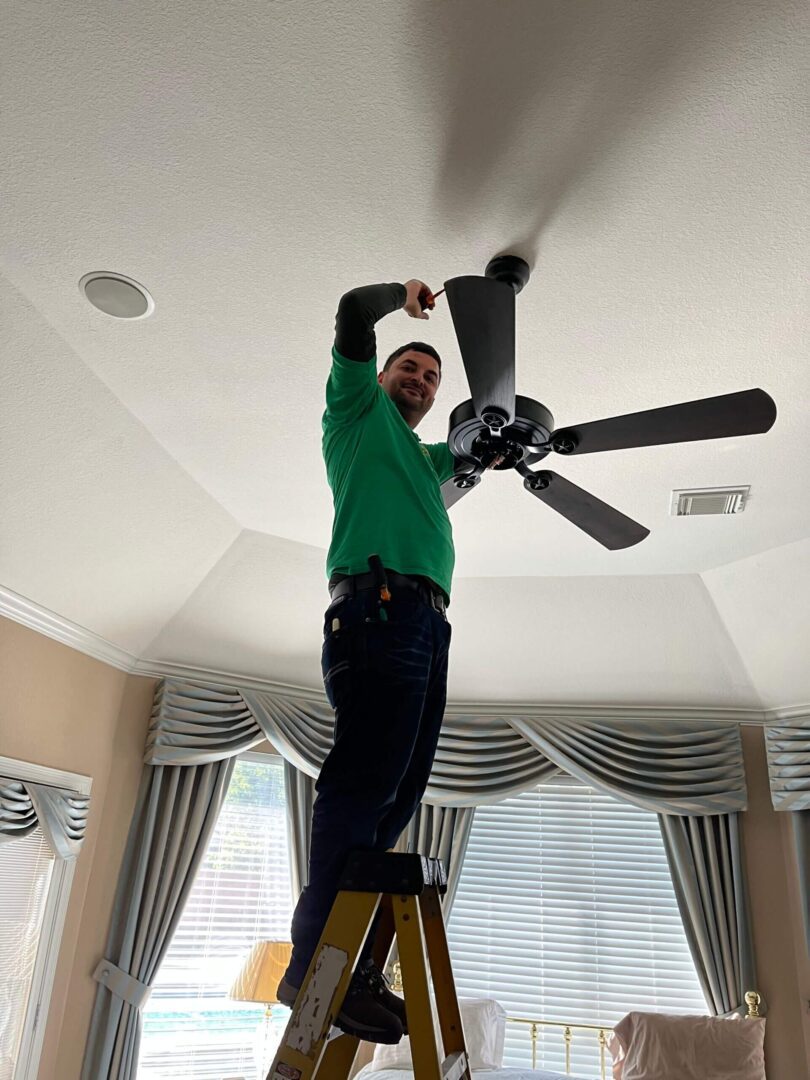
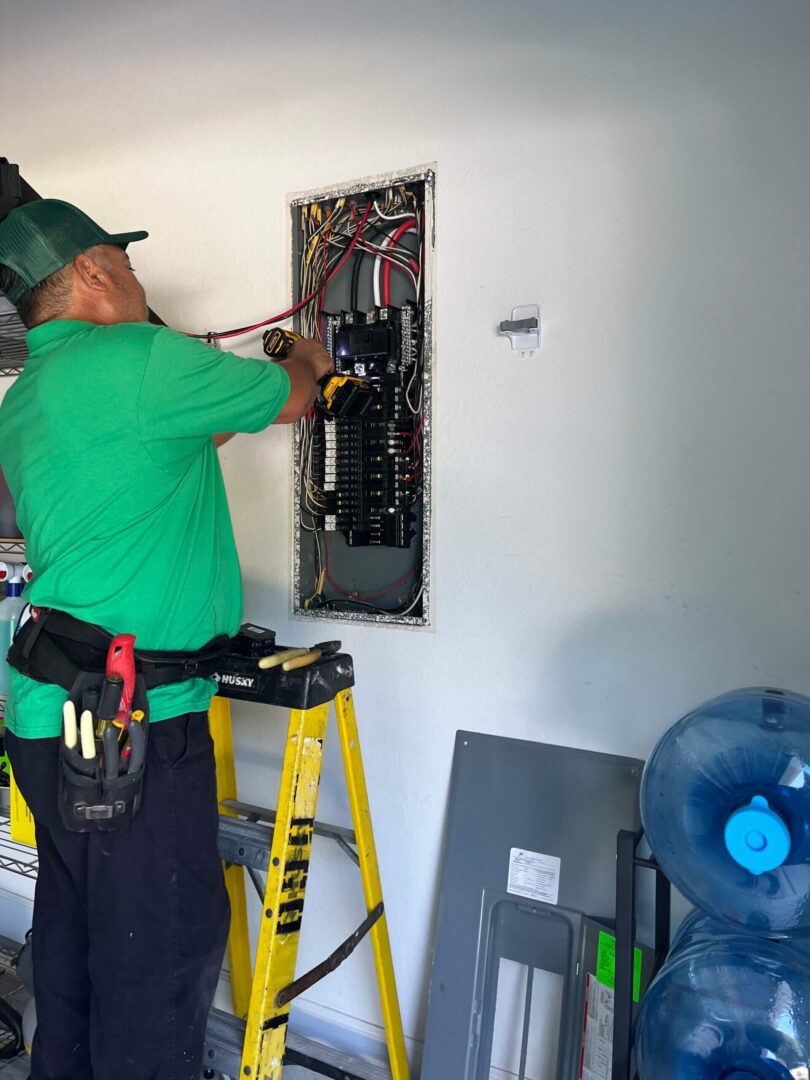
Residential electrical repairs can range from very targeted fixes to broader corrective work. Common examples include replacing broken outlets or switches, repairing damaged wiring, troubleshooting partial power loss, fixing tripping breakers, replacing faulty light fixtures, and repairing connections in electrical panels.
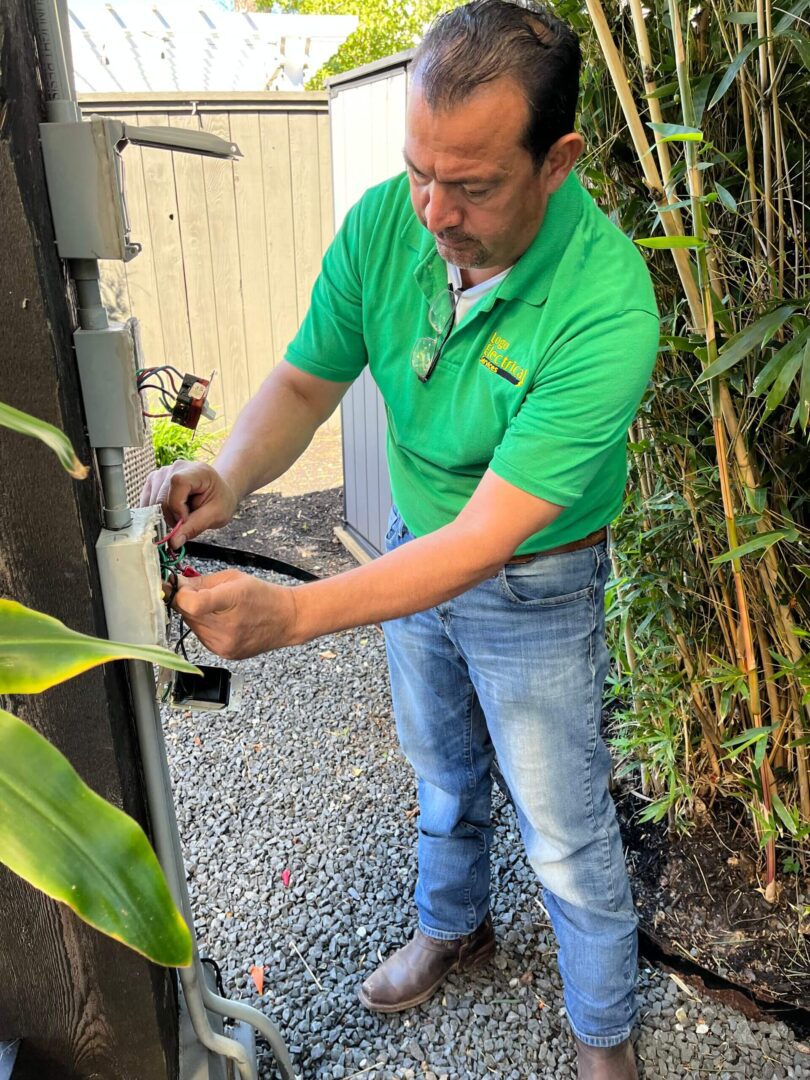
It can also include correcting hazards that were never installed properly in the first place. That might mean reversing polarity at an outlet, adding proper grounding, replacing unsafe splices, installing GFCI or AFCI protection where needed, or repairing weather-damaged exterior electrical components.
In older homes, repair work often overlaps with modernization. A homeowner may call because lights dim when the microwave runs, only to learn the issue involves an undersized circuit or an aging panel that should be evaluated for upgrade. That is still part of the repair conversation, even if the best solution goes beyond a basic fix.
Common Signs You May Need Electrical Repairs
Some warning signs are obvious. Others are easy to ignore until they become more serious. If your lights flicker regularly, outlets feel warm, breakers trip often, or switches stop working consistently, your system should be checked.
Buzzing sounds are another red flag. Electricity should not make audible noise at outlets, switches, or the panel under normal conditions. A faint hum from certain dimmers may have an explanation, but buzzing often points to loose connections or failing components.
Burning smells, scorch marks, or sparks deserve immediate attention. So do shocks from appliances or outlets, even mild ones. Those are not normal quirks of an older home. They can indicate grounding problems, damaged wiring, or dangerous arcing.
Power loss in one part of the house can also signal a repair issue. Sometimes the fix is simple. Sometimes it traces back to a failed breaker, a bad connection, or damage hidden behind walls or in attic spaces. The only safe way to know is to test the circuit properly.
Why Electrical Problems Happen
Electrical systems wear down. Connections loosen from years of heating and cooling cycles. Devices age. Insulation on wiring can become brittle. Moisture can affect exterior components. Storms and power surges can damage equipment without leaving obvious signs.
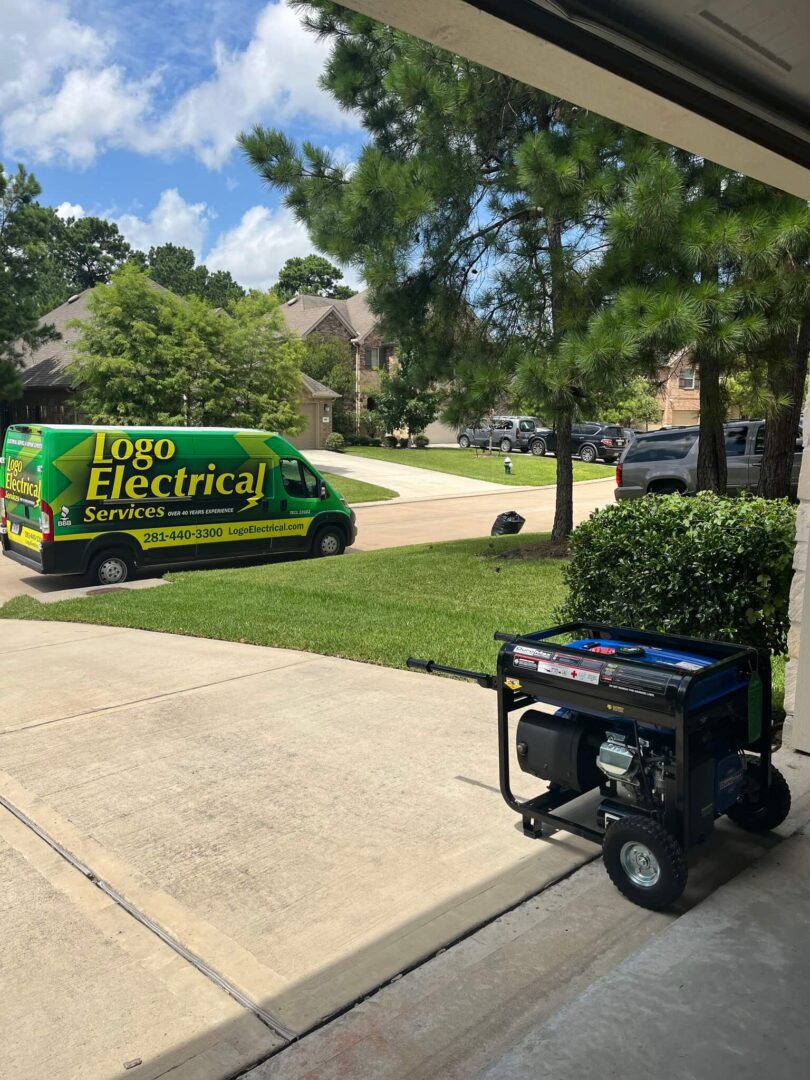
There is also the issue of demand. Many homes were not originally built for today’s electrical load. Homeowners now rely on large kitchen appliances, home office equipment, entertainment systems, EV chargers, and backup power equipment. A system that handled daily life twenty years ago may now be stretched beyond what it was designed to do.
Past repairs can create problems too. Not every previous installer took the time to do things correctly. We often see homes with mismatched breakers, overloaded circuits, loose terminations, or amateur modifications that worked for a while but were never safe. In those cases, the repair is partly about fixing the current symptom and partly about correcting the underlying workmanship.
What a Licensed Electrician Looks for
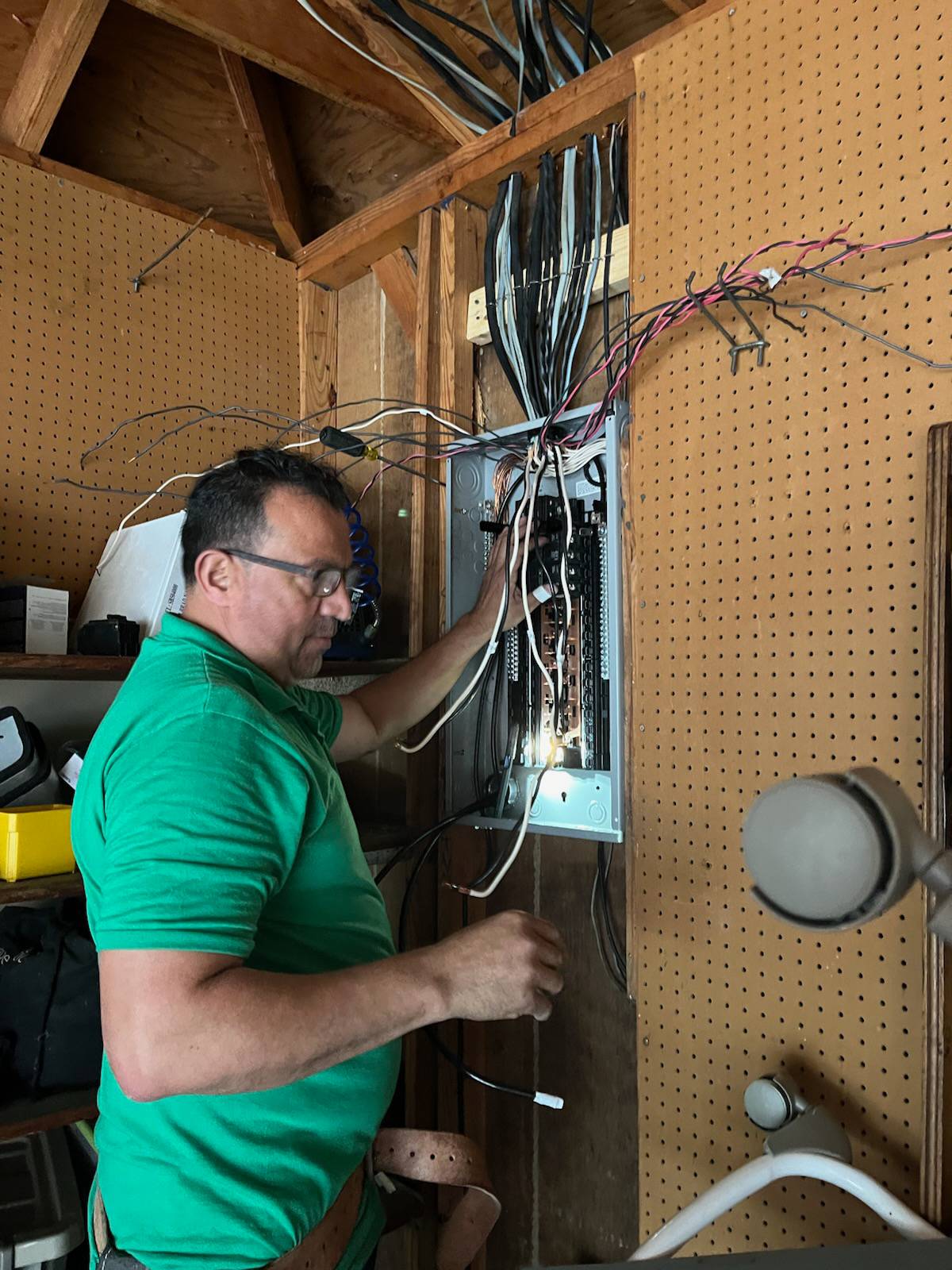
A proper electrical repair visit should start with troubleshooting, not guesswork. The electrician should evaluate the affected circuit, test components, inspect visible wiring and connections, and look for signs that the issue extends beyond the immediate symptom.
For example, if an outlet stopped working, the problem may not be at that outlet at all. The electrician may check the breaker, nearby devices, GFCI protection, wire continuity, and load behavior on the circuit. If a breaker keeps tripping, they need to determine whether the cause is overload, a short, a ground fault, or a failing breaker itself.
This is one reason honest pricing and clear communication matter. A trustworthy contractor explains what was found, what needs to be repaired now, and whether any related concerns should be addressed before they turn into bigger issues. Homeowners should not be left guessing about safety, cost, or next steps.
Repair or Replace? It Depends
Not every problem requires a major upgrade. A single failed switch in an otherwise healthy system is usually a straightforward repair. A damaged outdoor receptacle may only need replacement and proper weather protection. In those cases, a targeted fix makes sense.
But there are times when replacement is the better investment. If a panel is outdated, damaged, or repeatedly causing problems, repairing one breaker may not be enough. If wiring is deteriorated throughout a section of the home, patching isolated spots may only delay the inevitable. If your electrical system lacks the capacity for current needs, repeated repairs can become more expensive than addressing the root issue.
This is where experience matters. The right recommendation is not always the cheapest one on the day of service, but it should be the most sensible one for safety, reliability, and long-term value.
Can Homeowners Do Electrical Repairs Themselves?
Some homeowners are comfortable changing a light bulb or resetting a tripped breaker. That is very different from electrical repair. Once a job involves wiring, testing, panel work, or diagnosing a fault, the risks go up quickly.
The danger is not just electric shock. Incorrect repairs can create fire hazards, damage appliances, violate code requirements, and leave hidden problems inside walls or boxes. Even something that appears simple, like replacing an outlet, can go wrong if the wiring is damaged, the circuit is misidentified, or grounding is not handled correctly.
For that reason, most true electrical repairs are best left to a licensed professional. In a home, safe work is not just about making the power come back on. It is about making sure the repair holds up under real use and protects your family.
What Homeowners Should Expect From Electrical Repair Service
A good service experience should feel straightforward. The electrician should arrive on time, listen to the problem, inspect the affected area, and explain what they find in clear language. You should understand whether the issue is isolated, whether it creates a safety risk, and what your options are.
Clean workmanship matters too. Electrical work should be neat, code-compliant, and properly tested before the job is considered complete. That includes making sure devices are secure, covers are installed correctly, and the repaired system is operating as it should.
For homeowners in Magnolia and the greater Houston area, that level of service is exactly what builds trust over time. At Logo Electrical Services, the goal is to do the job right the first time, with licensed expertise, honest pricing, and the kind of communication that helps homeowners feel confident in the work being done.
Electrical repair is not really about wires and breakers alone. It is about restoring peace of mind when something in your home stops working the way it should. If something feels off, it is worth having it checked before a small issue turns into a bigger and more expensive one.