If you are asking how long does it take to install a whole house surge protector, you are probably already thinking like a careful homeowner. You are not waiting for a storm, a utility surge, or a fried appliance to force the issue. In most homes, the actual installation is fairly quick, but the honest answer is that the timeline depends on your electrical panel, the type of surge protector being installed, and whether the electrician finds anything that needs attention before the device can be installed safely.
How long does it take to install a whole house surge protector?
For a straightforward residential job, installing a whole house surge protector usually takes about 1 to 3 hours. In many homes with a modern, accessible panel and no code or wiring issues, the work itself can be completed closer to the 1-hour mark. If the panel is older, crowded, poorly labeled, or has signs of wear, the appointment can take longer.
That timing usually includes more than just mounting the device. A licensed electrician will also need to shut off power safely, inspect the panel, confirm the right breaker setup, make the connections correctly, test the system, and make sure everything is operating as it should before power is restored. Good electrical work is not just about speed. It is about doing the job right the first time.
What happens during the installation
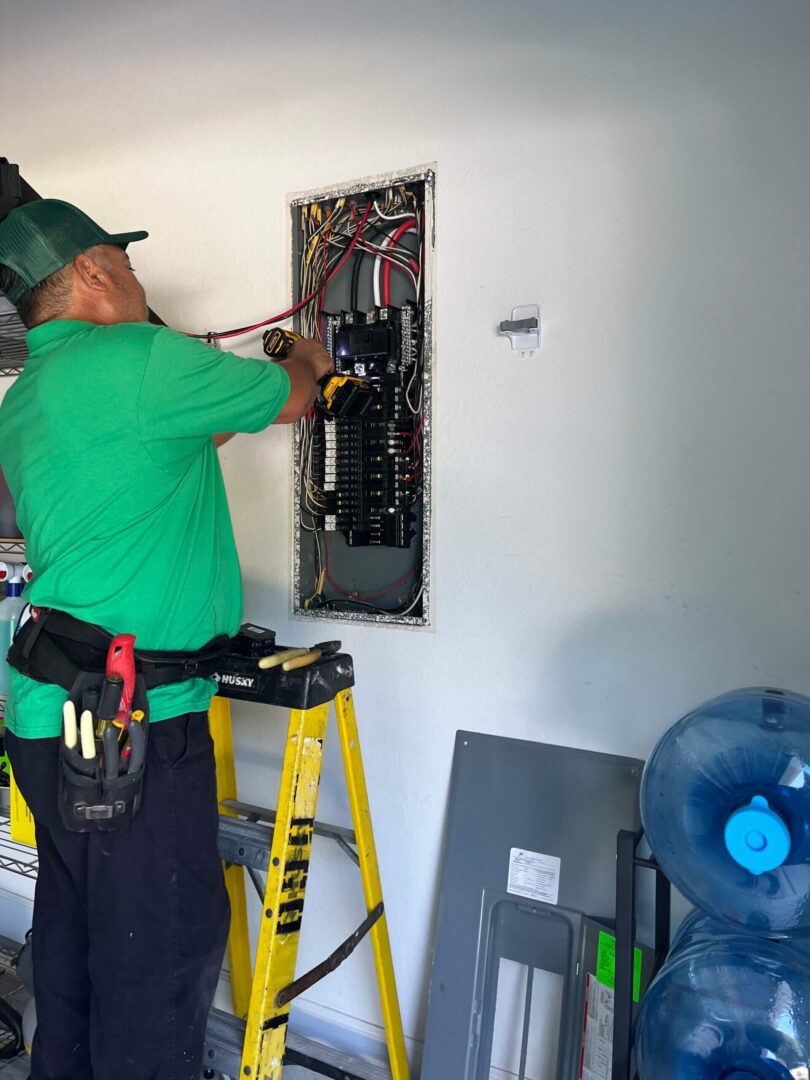
A whole house surge protector is typically installed at your main electrical panel or service equipment. Because it is tied directly into the heart of your electrical system, this is not a plug-in upgrade. It is a panel-level safety device that needs to be matched to your service and installed according to code.
The visit usually starts with a quick evaluation of your panel. The electrician checks available space, confirms compatibility, and looks for any obvious concerns such as corrosion, double-tapped breakers, outdated components, or signs of overheating. If your panel is in good shape, the installation moves along quickly.
Next comes shutting off power and making the connection. Depending on the surge protector model and panel configuration, the electrician may install a dedicated breaker or connect the device according to manufacturer requirements. The unit is mounted, wired, secured, and then the system is tested once power is restored.
If everything checks out, the electrician may also explain what the surge protector covers, what it does not cover, and whether additional point-of-use protection is still a smart idea for sensitive electronics.
Why one home takes an hour and another takes three
This is where experience matters. Two homes can need the same type of surge protector and still have very different installation times.
A newer home with a clean, modern panel is usually the easiest scenario. There is often enough space, the wiring is organized, and the panel components are still in solid condition. In that case, the job is usually efficient and predictable.
An older home can be a different story. If the panel is full, outdated, or has signs of previous repair work, the electrician may need extra time to make sure the installation is safe and code-compliant. Sometimes the surge protector itself is not the delay. The delay is the condition of the panel it is being added to.
Accessibility also matters. A panel in a garage with clear working space is easier to service than one tucked into a tight utility closet or blocked by storage. Even small site conditions can add time to a job.
Panel condition is often the biggest factor
Homeowners are often surprised to learn that the surge protector is only part of the equation. Your electrical panel has to support the installation properly.
If the panel has available breaker space and no visible problems, the work is usually straightforward. But if there is no room for the required breaker, the electrician may need to reconfigure circuits, install approved tandem breakers if allowed, or discuss a panel upgrade. That moves the job out of the quick-install category.
If the panel shows signs of age, loose connections, heat damage, rust, or manufacturer-related concerns, a responsible electrician should slow down and address those risks before adding new equipment. That may extend the appointment, but it protects your home and your investment.
Can the power stay on during installation?
In most cases, no. The electrician will typically need to shut off power to install a whole house surge protector safely. The outage is usually brief, often well under an hour, but it depends on the panel and the scope of work.
For most homeowners, that means planning for a short interruption to lights, internet, HVAC controls, and appliances. If you work from home, have a medical device, or have other power-sensitive needs, it is worth mentioning that before the appointment so the work can be scheduled at a practical time.
Does the brand or type of surge protector change the timeline?
Sometimes, but usually not by much. Most whole house surge protectors are designed for relatively direct installation by a licensed electrician. The bigger issue is compatibility with your specific panel and service setup.
Some models are integrated more cleanly with certain panel brands. Others may require slightly different mounting or breaker arrangements. A seasoned electrician will usually know what to expect and can recommend a surge protection solution that fits your home without unnecessary complications.
The goal is not just to install any device. It is to install the right one in the right place with the right protection level for your electrical system.
What can slow the job down?
A few common issues can stretch a simple installation into a longer service call. The first is limited breaker space. The second is discovering existing panel issues that should not be ignored. The third is poor access to the panel.
Permitting or inspection requirements can also affect the overall timeline, even if the on-site labor is still only a few hours. In some areas, scheduling and local code requirements add steps before or after the installation day. If you want a realistic timeline, ask not only how long the installation takes, but also whether there are any local requirements that affect scheduling.
Is this a DIY job?
For most homeowners, this should not be a do-it-yourself project. A whole house surge protector is installed at the service panel, where dangerous voltage is present even when parts of the system are shut off. Mistakes here can lead to equipment damage, failed protection, code violations, or serious safety hazards.
This is one of those jobs where hiring a licensed electrician is not just about convenience. It is about making sure the device will actually protect your home when a surge happens.
Is faster always better?
Not really. A quick installation is great when the panel is in good shape and the setup is simple. But the fastest job is not always the best job if corners are being cut.
A trustworthy electrician should be able to explain the expected timeline clearly, tell you if your panel condition could add time, and let you know up front if a basic installation may turn into a larger recommendation. Honest pricing and clear communication matter just as much as technical skill.
That is especially true when you are adding protective equipment. A surge protector is there for the moments you do not see coming. If it is installed incorrectly, you may not know until your electronics, appliances, or HVAC equipment take the hit.
What homeowners should expect before scheduling
If you are planning this upgrade, expect a short service visit in most cases and a longer conversation only if the panel needs additional work. A reputable electrician may ask for a photo of the panel ahead of time or inspect it on-site before confirming the final scope.
That is a good sign, not a delay tactic. It means they are paying attention to safety and compatibility instead of guessing. Family-owned contractors with long-term experience often take this approach because they know that preventive electrical work only pays off when it is installed correctly.
For many Magnolia-area homeowners, a whole house surge protector is one of the simpler ways to add protection for appliances, smart home devices, and major systems without a major remodel. At Logo Electrical Services, that kind of work is approached the same way every electrical job should be approached – with licensed expertise, honest recommendations, and respect for your home.
If your panel is ready for it, the installation may be done before lunch. If your system needs a little more attention first, that extra time is not bad news. It is the kind of careful work that helps your home stay protected long after the appointment is over.