Power outages rarely happen at a convenient time. In Magnolia and across the greater Houston area, a storm can roll through fast, knock out utility power, and leave your home without lights, air movement, refrigeration, or a working garage door. Portable generators can be a practical backup option for homeowners who want to protect the basics without investing in a full standby system.
That said, a generator is only helpful when it is sized correctly, used safely, and connected the right way. We talk to homeowners every year who assume buying a unit is the hard part. In reality, the bigger question is whether your home is set up to use it safely when the power goes out.
What portable generators are good for
Portable generators are designed to power selected loads during an outage, not to run your entire home the way a permanently installed standby generator can. For many households, that is enough. If your main goal is keeping the refrigerator cold, powering a few lights, charging phones, running internet equipment, and maybe supporting a portable AC unit or a microwave, a portable unit can make a difficult outage much more manageable.
They are also a good fit for homeowners who want flexibility. Some people use the same generator for storm backup, outdoor projects, and recreational use. Others like the lower upfront cost compared with a whole-home system. If you do not need automatic operation and you are comfortable starting the generator manually, a portable model may be the right match.
The trade-off is convenience. Portable units require setup, fueling, startup, and careful load management. If an outage happens late at night or while you are away, the generator will not turn itself on. That matters more than many people realize, especially during extended outages in hot weather.
Choosing portable generators for your home
The right generator starts with an honest look at what you actually need to run. This is where many homeowners either overspend or end up with a unit that cannot handle the loads they expect.
Start with essential circuits
Most homes do not need every circuit energized during an outage. A better approach is to identify the essentials first. That usually includes the refrigerator, freezer, a few lighting circuits, internet equipment, device chargers, and sometimes a sump pump, garage door opener, or selected kitchen outlets. In some homes, medical equipment is also part of the must-have list.
If you want a portable generator to support central air conditioning, electric water heating, or an electric range, the sizing changes quickly. Those larger loads can push you into a much bigger unit, and in some cases they are not realistic for a standard portable setup. This is where a licensed electrician can help you decide whether a portable generator still makes sense or whether a standby system would serve you better.
Understand running watts and starting watts
Generators are rated for running power and surge power. Motors often need a higher burst of electricity at startup than they need once they are operating. Refrigerators, freezers, and pumps are common examples. If you size a generator only by steady usage, it may still struggle or trip when those loads kick on.
That is why load planning matters. A generator that looks adequate on paper may not perform the way you expect once real household equipment starts cycling on and off.
Fuel type affects real-world use
Many portable generators run on gasoline, while others use propane or support dual-fuel operation. Gasoline units are common and often easy to find, but fuel storage takes planning and fuel can go stale over time. Propane burns cleaner and stores longer, but runtime and output may differ depending on the model.
For homeowners, the best fuel choice often comes down to how often outages happen, how comfortable you are storing fuel, and how quickly you want to be able to get the system running.
Safe use matters more than brand names
When homeowners shop for portable generators, most of the attention goes to wattage, noise, and price. Those things matter, but safety should come first. A generator can protect your home during an outage, but it can also create serious hazards when used incorrectly.
Never run a generator indoors or near openings
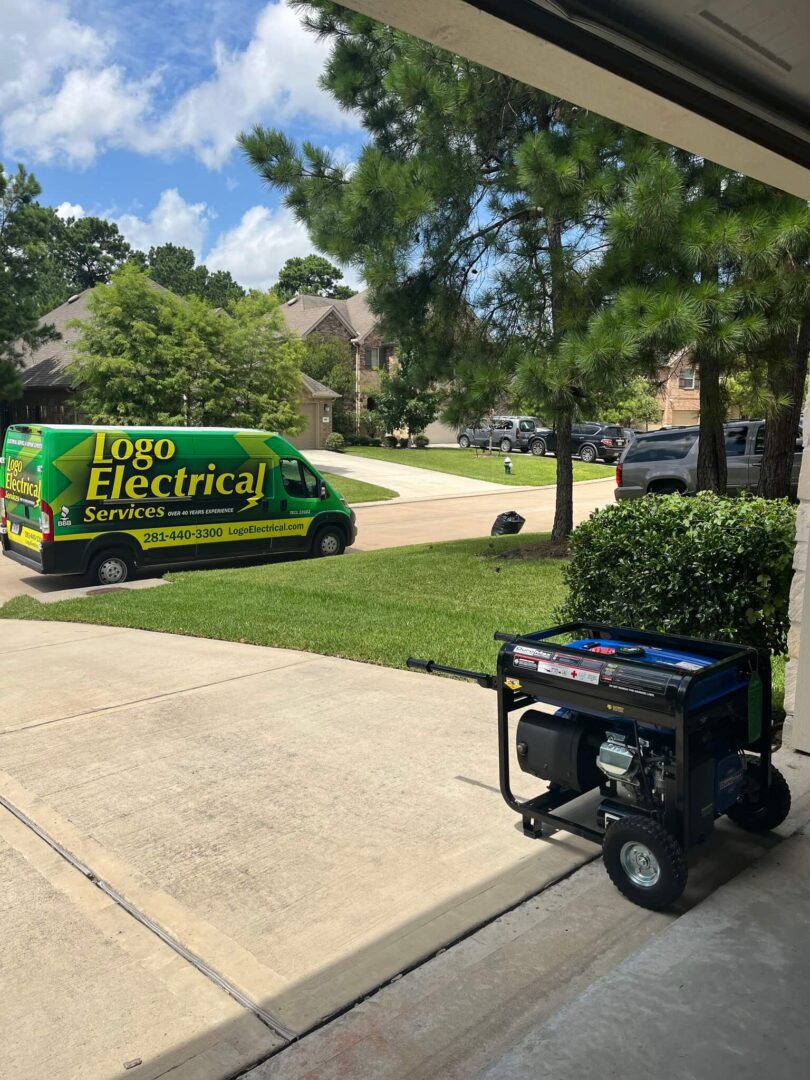
Portable generators produce carbon monoxide. They should never be operated in a garage, even with the door open, and never near doors, windows, soffit vents, or other openings where exhaust can enter the home. This is not a minor safety issue. It is one of the most dangerous mistakes homeowners make during outages.
The generator should be placed outdoors in a well-ventilated area, following manufacturer clearance recommendations. It also needs protection from standing water and unsafe weather exposure without trapping exhaust.
Extension cords are not always the best solution
Some homeowners plan to plug appliances directly into the generator with extension cords. That can work for a very limited backup plan, but it is often inconvenient and easy to misuse. Cords may be undersized, run through doorways, or overloaded. It also means you are managing power one device at a time instead of supporting selected household circuits in an organized way.
If you want a safer, more practical setup, a properly installed transfer switch or interlock arrangement is usually the better answer. This allows power from the generator to be directed to selected circuits while preventing dangerous backfeed into the utility system.
Why portable generators need a proper home connection
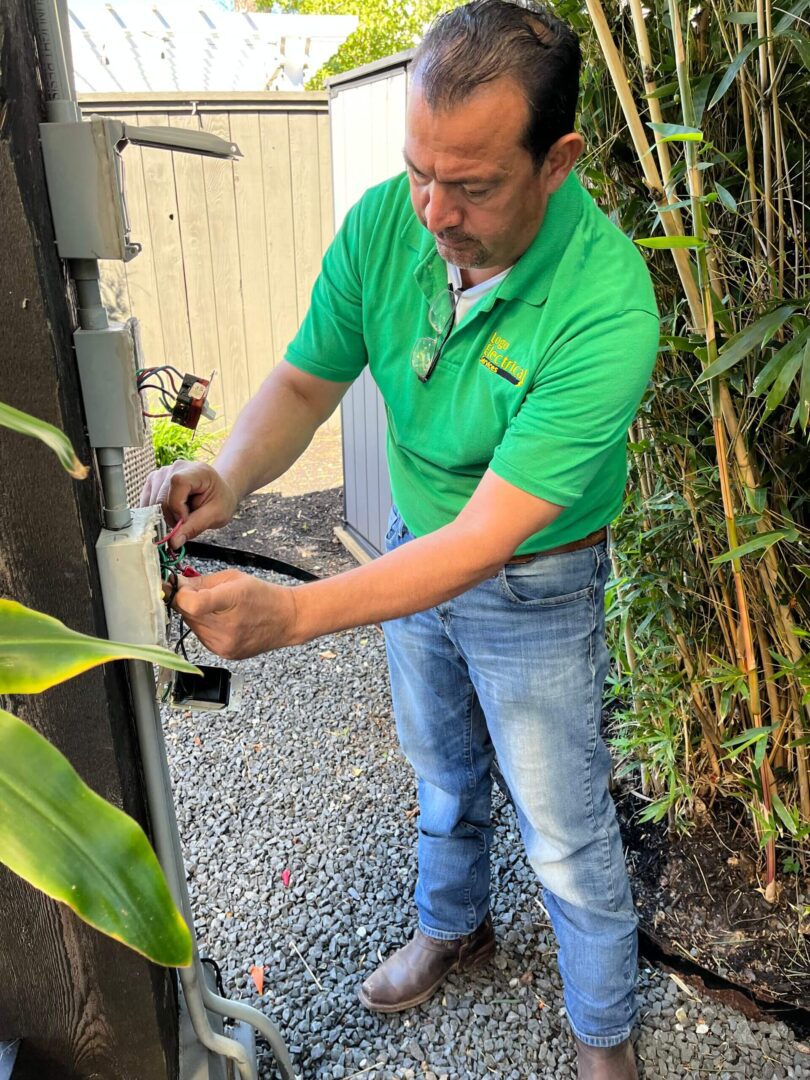
This is where electrical work becomes critical. A portable generator should never be connected to your home by plugging it into a dryer outlet, range outlet, or any other makeshift method. That kind of backfeeding can energize utility lines, damage equipment, and put lineworkers and occupants at risk.
Transfer switches and interlock kits
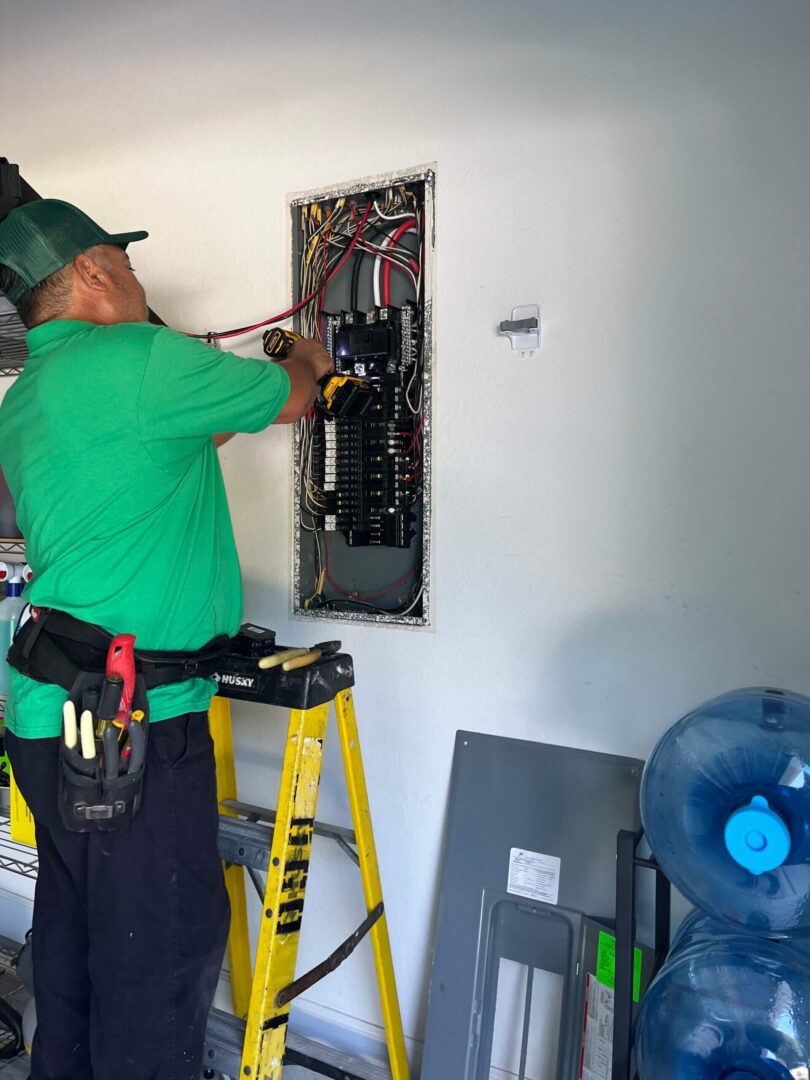
A transfer switch gives you a controlled, code-compliant way to power selected circuits from a portable generator. An interlock kit can also be an effective solution when installed correctly on a compatible panel. Both options are designed to keep generator power and utility power separated.
The right choice depends on your panel, your generator size, and how many circuits you want available during an outage. This is not a one-size-fits-all decision. Older electrical panels, panel capacity issues, and existing wiring conditions can all affect what is possible.
Your electrical panel may need attention too
In some homes, the generator itself is not the real issue. The panel may be outdated, crowded, improperly labeled, or simply not configured for a clean backup power connection. If your home has an older service or you have already added major loads like EV charging, new HVAC equipment, or a hot tub, it is worth having the panel evaluated before assuming a generator hookup will be straightforward.
At Logo Electrical Services, this is often where we help homeowners avoid expensive guesswork. A safe generator setup starts with understanding the home’s electrical system as a whole, not just the generator sitting outside.
When portable generators make sense – and when they do not
Portable generators are a strong option for many households, but they are not ideal for every situation. If you travel often, have critical medical equipment, want whole-home coverage, or do not want to deal with manual setup during severe weather, a standby generator may be the better long-term investment.
On the other hand, if your goal is to keep essential systems running for occasional outages and you want a lower upfront cost, a portable model can be a smart solution. The key is having realistic expectations. It is better to have a smaller, properly connected generator that safely powers the right circuits than a larger unit used in an unsafe or improvised way.
What homeowners should do before the next outage
If you are considering portable generators, do not wait until the forecast turns serious. Outage prep is easier, safer, and often less expensive when it is done ahead of time. Start by deciding which household loads matter most. Then have a licensed electrician evaluate your panel, your connection options, and any upgrades needed to support backup power safely.
That planning step makes a big difference when the lights actually go out. Instead of dragging out cords and guessing what will work, you have a system that is built around your home, your priorities, and your safety.
A portable generator should give you peace of mind, not one more thing to worry about when weather hits.